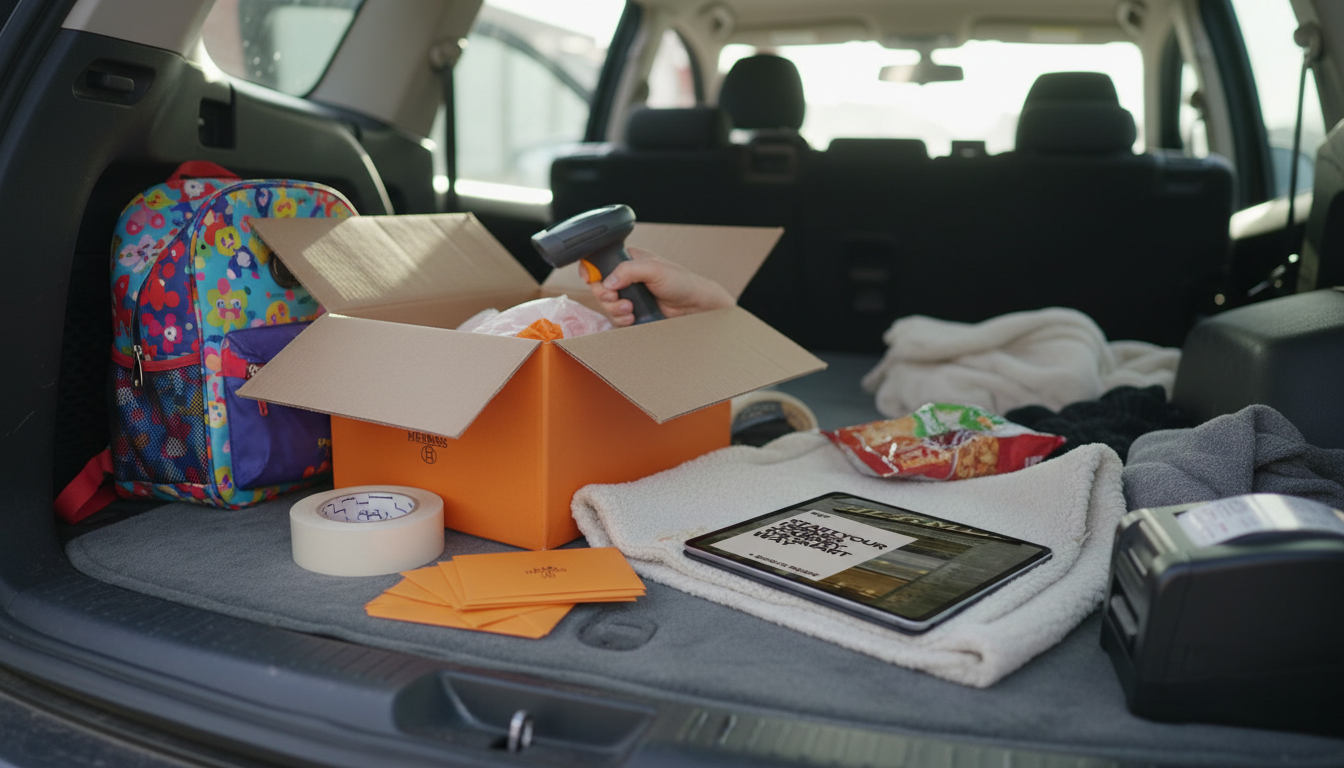
Starting as a Hermes agent (often called an InPost “ParcelShop” style point, depending on your region and program) generally means operating a local drop-off and collection location for pre-labeled parcels. Most people begin by confirming eligibility, applying through the official channel, preparing their space for safe storage, and setting up daily routines so handoffs stay fast and traceable. For a step-by-step walkthrough, visit the full guide here: https://elevatdlife.com/how-to-start-hermes-agent/.
Programs typically favor easily accessible storefronts with predictable opening times. You’ll want a clean, secure area to hold parcels temporarily, ideally away from customer traffic and protected from weather or theft.
Most agents need reliable internet or mobile data for scanning, plus a printer if your setup includes label printing. Even when customers bring ready-labeled packages, barcode scanning and status updates are usually required.
Expect to provide business information, address, photos of your premises, and proof you can store parcels safely. Some operators will contact you for follow-up questions or an on-site review.
Once approved, you may receive onboarding instructions, signage, and scanning tools or access to an app/portal. Take time to learn the intake process (scan, verify label, store) and the collection process (ID checks where required, scan, hand over).
Use shelves or bins and sort by pickup date or barcode range. A simple, consistent system reduces misplacements and speeds up service during rush periods.
Post clear guidance near the counter: where to queue, what customers need for collection, and cut-off times for same-day carrier pickup (if applicable). Fast, repeatable steps keep the line moving.
Earnings commonly depend on parcel volume and the program’s per-parcel payment structure. Locations with steady foot traffic and extended hours tend to generate more transactions and higher overall payouts.



Leave a comment
You must be logged in to post a comment.