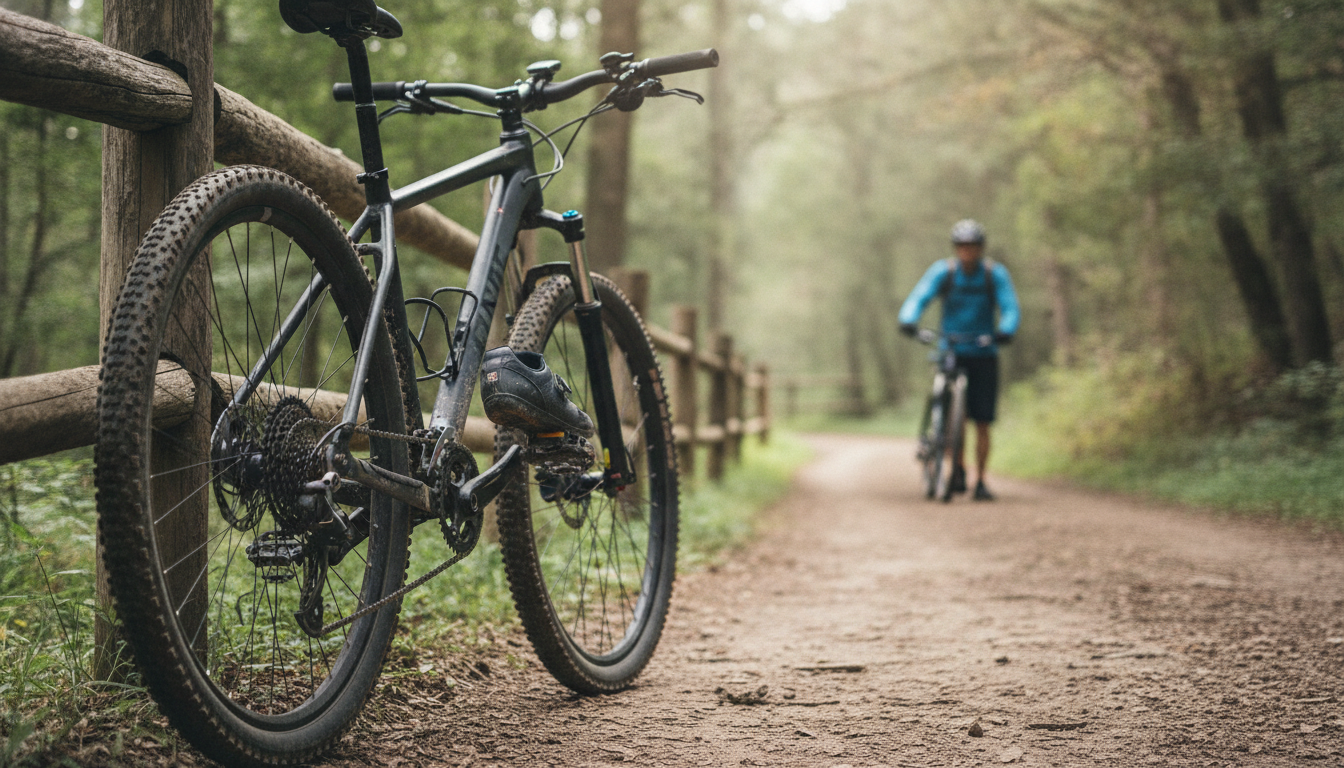
Dual-sided pedals make it easy to ride clipped-in for efficiency or hop on with regular shoes when plans change. A 2-in-1 flat/SPD pedal puts a grippy platform on one side and an SPD-compatible clipless mechanism on the other, so a single setup can handle weekday commuting, weekend gravel, and mixed-surface exploring without swapping hardware. Add sealed bearings and you get a pedal designed to stay smoother and quieter through wet roads, dusty paths, and messy shoulder seasons. For more guidance, see Review: Bythlon Pedal System | Cycling UK.
For background on how SPD engagement works, Shimano’s overview is a solid reference: Shimano SPD Pedal Line (overview and concepts). For further reading, see The Ultimate Guide To Pedals – eBikes.org.
Dual function pedals shine when each side has a clear purpose. The flat side is about flexibility and fast foot-down moments; the SPD side is about repeatable positioning and a connected feel when the terrain gets choppy.
| Ride scenario | Recommended side | Why it helps |
|---|---|---|
| City commuting with frequent stops | Flat | Fast starts and easy foot-down at lights |
| Gravel or mixed-surface routes | SPD | Stable engagement over bumps and loose surfaces |
| Rainy conditions | SPD | Less foot slip than flat pedals with smooth shoes |
| Errands in casual shoes | Flat | No cleats needed; comfortable walking |
| Long steady-distance ride | SPD | Consistent foot position and efficient cadence |
Pedals live low to the ground, right where grit and water collect. Sealed bearings are designed to reduce contamination from water, mud, and dust compared to unsealed systems, helping the pedal spin smoothly for longer.
For a clear step-by-step on threading and tightening pedals safely, see: Park Tool: Pedal Installation and Removal.
If one bike has to cover work commutes, fitness loops, and weekend detours, a dual-sided pedal keeps the decision simple: flip to the side that matches the ride and shoes you have that day. The 2-in-1 Dual Function Flat & SPD Clipless Bike Pedals with Sealed Bearings combines a flat platform for regular shoes with an SPD-compatible clipless side for a more secure, repeatable pedal stroke.
No. SPD cleats mount to cycling shoes that have a two-bolt cleat pattern, and most regular sneakers don’t have that attachment point. The flat side of a dual-function pedal is the option meant for everyday shoes.
Yes. The flat side gives you an easy fallback while you learn to clip in and out, and you can start with low release tension to make exits smoother. With a short practice routine and gradual tension increases, most riders build confidence quickly.
It depends on riding conditions and cleaning habits, but sealed bearings commonly last years for fair-weather riding and may wear sooner with frequent rain, grit, or road salt. Rough spinning, new side-to-side play, or persistent noise are signs it’s time to inspect or service the pedal.



Leave a comment
You must be logged in to post a comment.