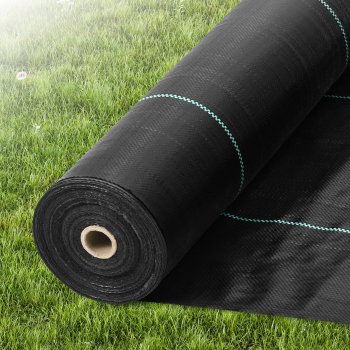
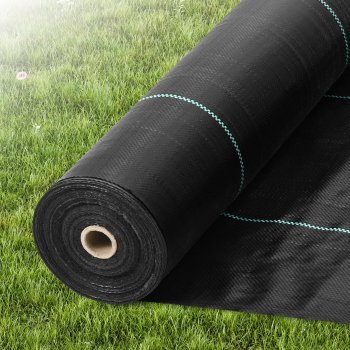
A tough landscape fabric can reduce weeding, stabilize gravel, and help keep garden edges looking clean—when it’s chosen and installed correctly. Heavy duty weed barrier fabric is especially helpful in gravel paths, decorative rock beds, and other areas where lighter materials tend to tear, shift, or clog too quickly. Below are the best use cases, the key differences between fabric types, and installation details that make the difference between a clean surface for years and weeds popping up at every seam.
Heavy duty landscape fabric shines when it’s used as a separator layer and supported by proper coverage on top. It’s most effective in these situations:
Not all weed barrier fabric behaves the same once rock, mulch, and weather hit it. The material style and weight determine whether it stays intact and functional.
For research-based guidance on landscape fabric use in beds and around plantings, see resources from University of Illinois Extension and Penn State Extension. For broader, non-chemical weed control strategies, the Royal Horticultural Society offers practical options.
Most “fabric failed” complaints trace back to rushed prep, tiny overlaps, or edges that weren’t secured. Getting the base and seams right dramatically reduces weed intrusion.
Remove existing weeds and roots (not just the tops). Rake the surface smooth, and remove sharp stones or construction debris that can puncture fabric under load.
Overlap adjacent runs by 6–12 inches depending on the job. On slopes, install overlaps so water sheds over the seam rather than rushing into it (think shingles on a roof).
Use landscape staples/pins more densely at edges, seams, and transitions. Add extra pins anywhere traffic will occur or where the fabric wants to “bridge” over a dip.
| Use case | Base prep | Seam overlap | Pins/staples | Top layer depth |
|---|---|---|---|---|
| Gravel walkway/patio border | Remove weeds; level; optional thin layer of compacted base | 8–12 in | Every 12–18 in; extra at seams | 2–4 in gravel (more for heavy traffic) |
| Decorative rock bed | Remove weeds; smooth soil | 6–8 in | Every 18–24 in; extra at edges | 2–3 in rock |
| Mulched planting bed | Remove weeds; amend soil first | 6–8 in | Every 18–24 in | 2–4 in mulch (keep off plant crowns) |
| Slope | Grade and compact lightly | 10–12 in; shingle downhill | Every 8–12 in; heavy at seams | Mulch/rock plus erosion control where needed |
If you’re building or refreshing a gravel path, decorative rock bed, or other demanding outdoor area, Heavy Duty Weed Barrier Landscape Fabric is designed for durability where lighter sheets often rip or shift. Used as a separator layer, it helps reduce soil migration into gravel while still allowing water to pass through.
Keeping weed barrier areas clean also means reducing the dirt that gets tracked indoors. A washable, non-slip rug near a back door or mudroom can catch grit before it turns into dust that ends up back in your rock beds and walkways. Consider the Botanical Floral Non-Slip Area Rug – Soft, Modern & Machine Washable for easy cleanup in high-traffic entry zones.
Yes, but most weeds show up when windblown dust and organic debris build a thin layer of “soil” on top of the fabric and seeds germinate there. Some aggressive plants can also exploit seams, holes, or poorly secured edges, so overlap, edging, and surface cleaning matter.
Under gravel, fabric is especially useful as a separator that helps reduce stone-and-soil mixing and slows sinking. Under mulch, it can work if it allows water/air flow and you keep debris from accumulating; keep fabric away from plant crowns and leave open space around trunks and stems.
Plan on 6–12 inches of overlap, using the higher end for gravel and slopes. On slopes, “shingle” seams downhill and pin seams more densely so water and movement don’t open gaps.

Leave a comment
You must be logged in to post a comment.