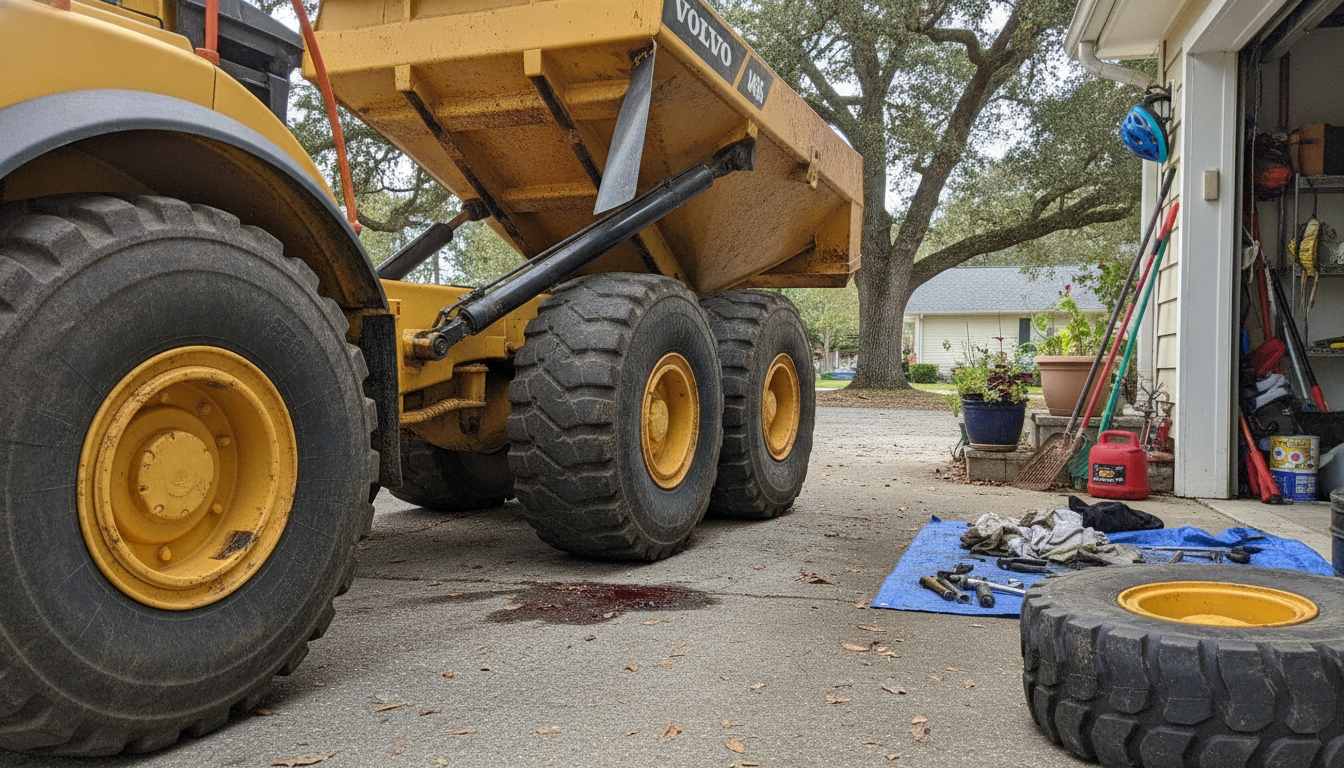
Dump trucks work in harsh conditions, so the most common problems tend to cluster around hydraulics, electrical systems, driveline wear, braking, and body/bed components. Catching early symptoms—slow lift speeds, uneven dumping, warning lights, or unusual noises—can prevent downtime and expensive repairs.
Hydraulics do the heavy lifting, so leaks and pressure loss are frequent culprits. Common signs include a bed that lifts slowly, won’t hold position, or drops unexpectedly. Typical causes are worn seals, cracked hoses, contaminated fluid, clogged filters, or a tired pump. Air in the lines can also make operation jerky and inconsistent.
Vibration, moisture, and corrosion can loosen connections or damage wiring harnesses, leading to intermittent faults. Burnt fuses, weak grounds, failing relays, and worn alternators or batteries are common. Lighting issues (including work lights) often come from water intrusion or poor connectors—problems that get worse with frequent washing or winter road salt.
Hauling heavy loads accelerates wear on U-joints, differentials, and transmissions, especially if lubrication schedules slip. Suspension components—springs, bushings, shocks—can fatigue and cause uneven tire wear or poor handling. Tires often show damage from jobsite debris, overloading, or running underinflated, which increases heat and blowout risk.
Brake fade, pulling, or longer stopping distances can come from worn pads, out-of-adjustment brakes, air leaks (air systems), or contaminated brake components. Overheating may result from clogged radiators, failing fans, coolant leaks, or heavy stop-and-go work with high gross weight.
Sticky tailgates, bent hinges, cracked welds, and bed misalignment can appear after repeated impact loading. Material buildup can also cause uneven dumping or “hang-ups.” Regular inspections of pivot points, pins, and structural welds help prevent sudden failures.
For a closer look at dump-truck-style hardware, controls, and components (including a 6WD RC model that mirrors real-world systems in miniature), visit this dump truck guide.
Start by checking hydraulic fluid level/condition, then inspect for leaks, kinked hoses, and a clogged filter. If those look good, test pump pressure and verify the control valve and electrical solenoids are functioning.


Leave a comment
You must be logged in to post a comment.