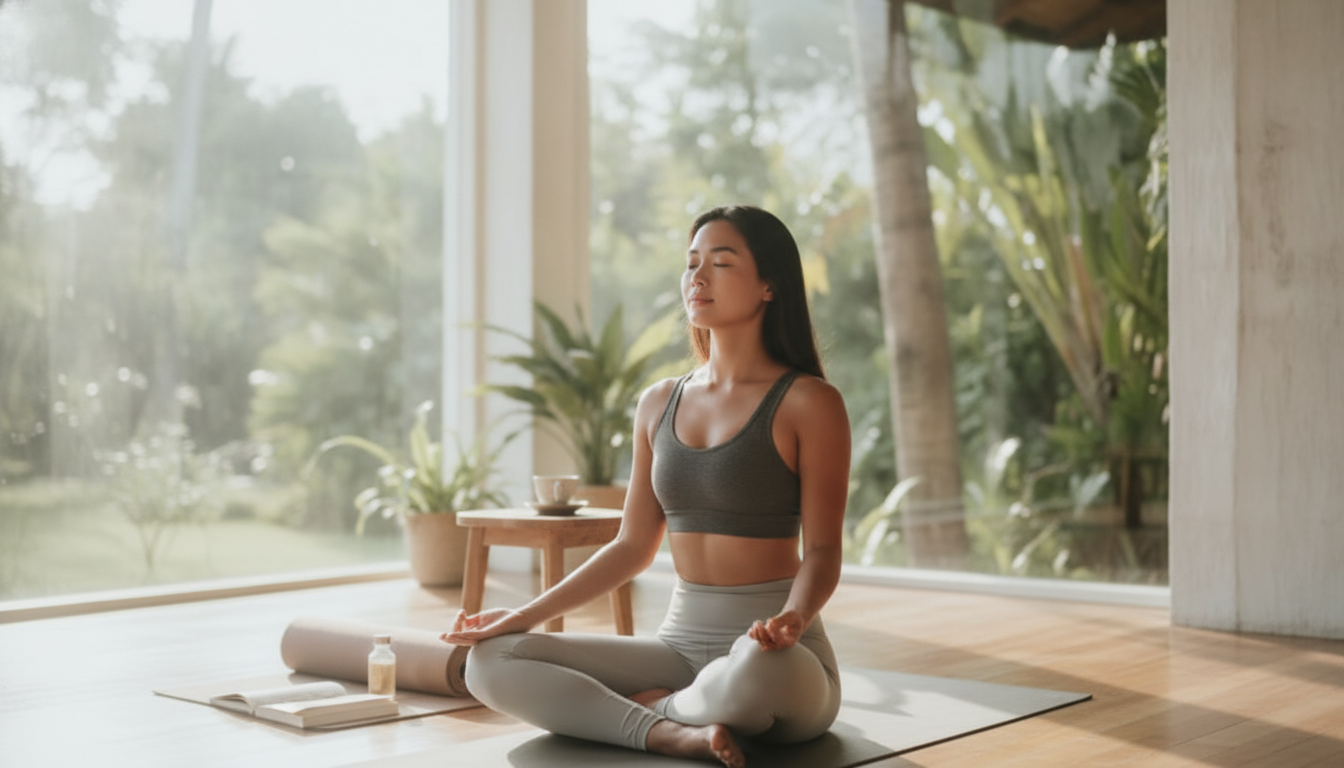
Stress can feel like it lives in the body as much as in the mind—tight shoulders, restless energy, shallow breathing, and trouble sleeping. Gentle, consistent physical activity can shift the nervous system toward calm by easing tension, supporting mood chemistry, and giving attention a steady place to land. The goal isn’t to “train harder.” It’s to move in a way that helps you feel safer, steadier, and more settled—especially on busy days.
Health organizations consistently link regular movement with broad mental and physical benefits. If you’d like a science-backed overview, see guidance from the CDC, the American Psychological Association, and the World Health Organization.
Movement is one of the simplest ways to communicate “we’re okay” to the body. Even light activity can help you shift out of a stuck stress response and back toward baseline.
Matching your movement to your stress pattern keeps it sustainable. On high-stress days, “just do a hard workout” can backfire; a better strategy is choosing the dose your body can actually absorb.
| Stress pattern | Best-fit movement | Time target | What to focus on |
|---|---|---|---|
| Racing thoughts | Steady walk or easy cycling | 10–30 min | Repeatable pace, soft gaze, nasal breathing if possible |
| Muscle tension | Mobility + gentle stretching | 5–15 min | Slow exhale, relaxed jaw/shoulders |
| Low mood | Brisk walk + light strength | 10–25 min | Posture tall, add upbeat music if helpful |
| Irritability | Moderate cardio or short intervals | 8–20 min | Controlled effort; stop before feeling depleted |
| Poor sleep | Daytime cardio + evening stretch | 15–40 min total | Earlier intensity; later calm-down routine |
When decision fatigue is high, structure helps. This 30-minute pattern is intentionally gentle and repeatable, and it can be shortened or split across the day.
The “calm” effect often comes less from what you do and more from how you do it. Small cues can shift effort from draining to settling.
If you want an easy, ready-to-follow option, keep Move Your Way to Calm: How Physical Activity Eases Stress – Practical Guide to Physical Activity and Stress Reduction, Simple Daily Movement for a Calmer Mind on hand for quick sessions and weekly structure.
Also consider setting up a calmer movement corner at home. A stable surface can remove friction and help you feel safer during stretching or gentle flows—especially if you move on hardwood or tile. The Botanical Floral Non-Slip Area Rug – Soft, Modern & Machine Washable can create a more comfortable, slip-resistant spot, and the Soft Velvet Plush Blue Rug for Living Room & Bedroom – Modern Fluffy Carpet is another cozy option for gentle mobility or cooldown breathing.
Even 5–10 minutes can help in the moment, especially if you keep the pace steady and add a longer exhale. For stronger benefits, aim for consistent moderate movement across the week and prioritize recovery when sleep is poor.
There isn’t one best choice; the best exercise is the one that matches how anxiety shows up for you. Rhythmic cardio can quiet worry loops, strength can boost energy and confidence, and yoga/mobility can reduce tension and help you downshift.
Yes—very intense workouts, especially on poor-sleep days or with too much caffeine and too little recovery, can feel like additional stress. Dial intensity down, shorten the session, and end with a cooldown and slower breathing to help your body return to calm.


Leave a comment
You must be logged in to post a comment.