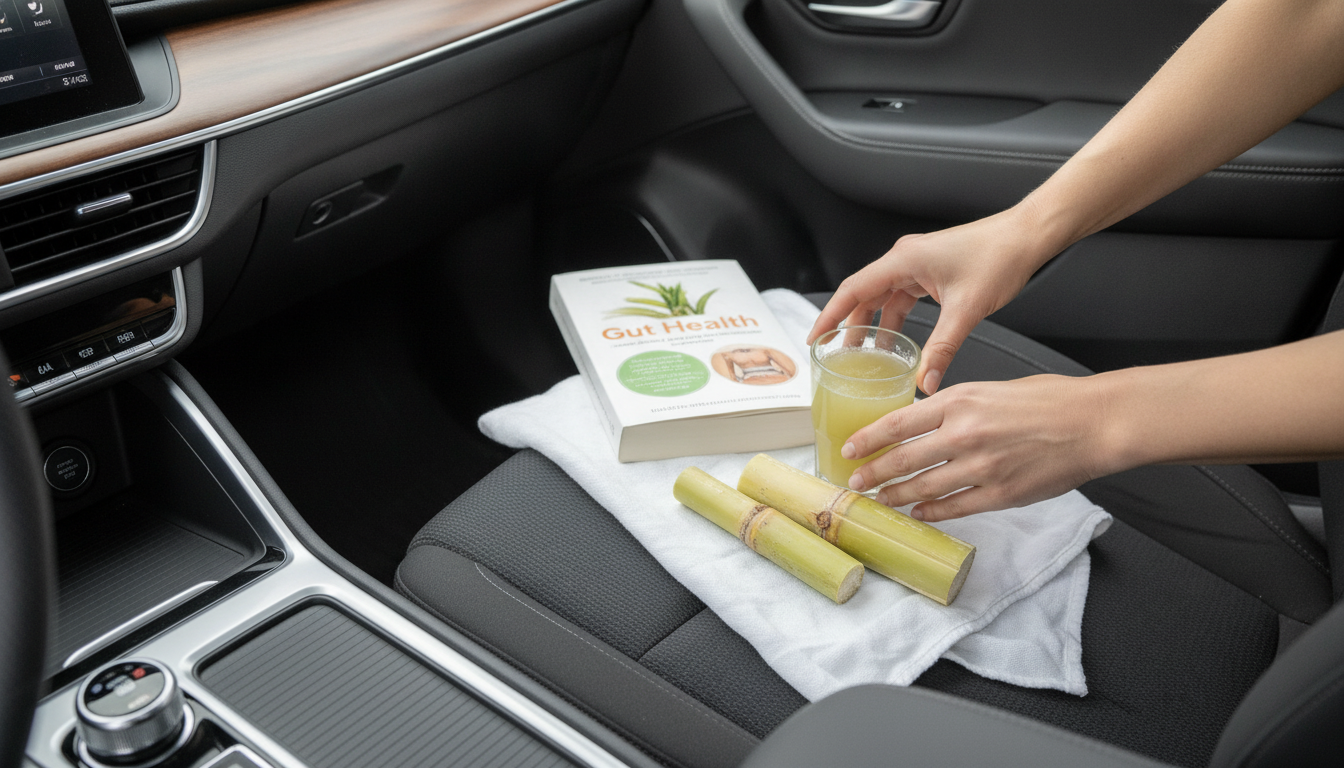
Sugar cane itself isn’t a proven remedy for gastritis, and for many people it can actually be a mixed bag. Gastritis involves irritation or inflammation of the stomach lining, and foods that are very sugary or acidic can sometimes make symptoms like burning, nausea, bloating, or reflux feel worse. Fresh sugar cane juice is mostly sugar and water, with small amounts of minerals and plant compounds—so it may feel soothing for some, but it can also trigger discomfort for others.
If sugar cane juice is taken on an empty stomach, the concentrated natural sugars can increase stomach activity and may aggravate pain or acid-related symptoms. People who are sensitive to sweet drinks, have reflux along with gastritis, or notice symptom flares after fruit juices and sodas may have a higher chance of reacting poorly. Store-bought “sugar cane drinks” can also include added acids, flavorings, or carbonation, which can be more irritating than plain fresh juice.
Some people find small amounts of fresh sugar cane juice easier than coffee, citrus juices, or spicy foods. If symptoms are mild and stable, a small serving with food (not on an empty stomach) may be better tolerated than a large glass by itself. If it causes burning, nausea, or increased bloating, it’s a sign to stop and choose gentler fluids like water or oral rehydration solutions.
If you prefer to control freshness and avoid additives, making juice at home can help you keep it simple and clean. For a practical overview of extracting fresh sugar cane juice, see this electric sugar cane juicer guide.
Water is usually the safest choice. Many people also tolerate non-caffeinated, non-minty herbal teas and clear broths, while acidic juices, alcohol, and carbonated drinks often worsen symptoms.




Leave a comment
You must be logged in to post a comment.