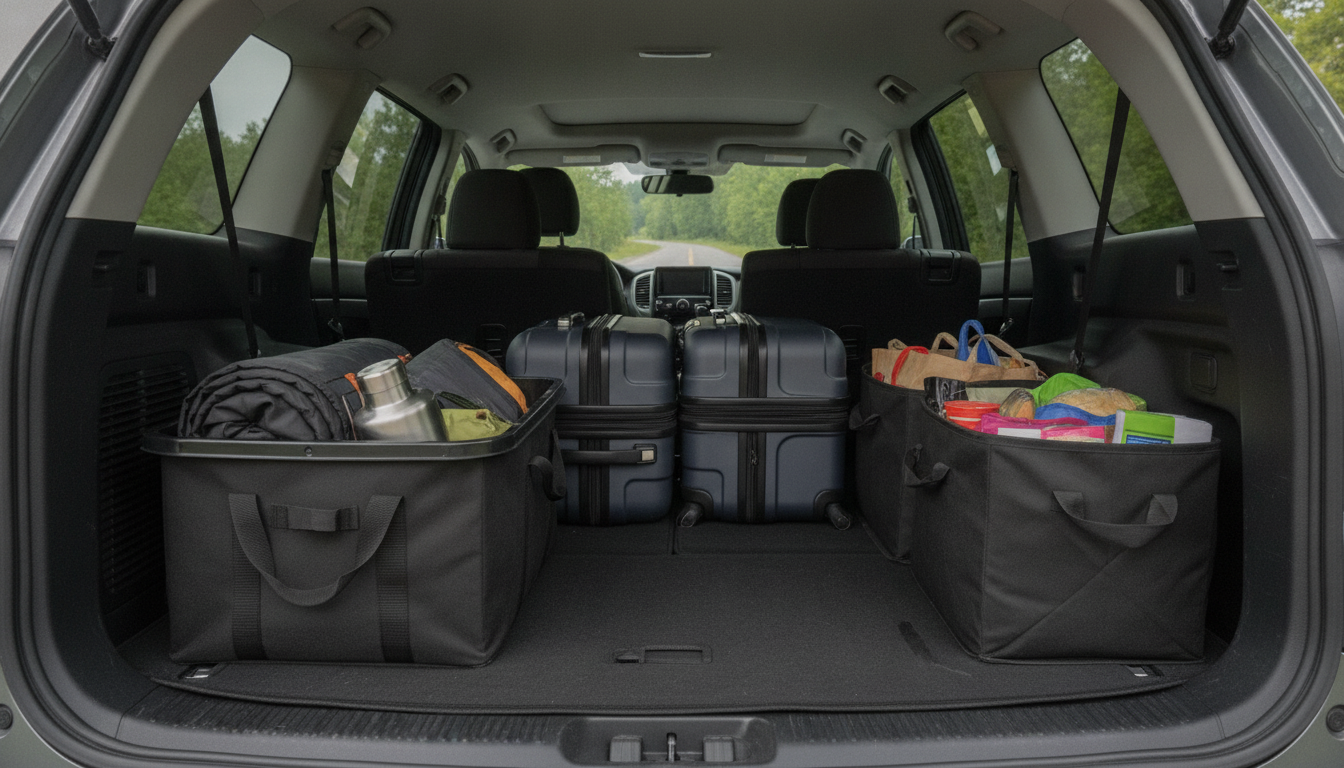
If cargo space is the deciding factor, the Honda CR-V typically has the edge over the Toyota RAV4 in most recent model years. With the rear seats up, a newer CR-V generally offers about 39 cubic feet of cargo room, while a comparable RAV4 is usually closer to 38 cubic feet. That difference sounds small on paper, but it can matter when you’re packing bulkier items like a stroller, cooler, or a couple of large suitcases.
The gap gets more noticeable when you fold the rear seats down. Many late-model CR-Vs provide roughly 76 cubic feet of maximum cargo volume, while many late-model RAV4s top out around 70 cubic feet. In practical terms, the CR-V can be a bit more forgiving when you’re loading longer boxes, stacking storage bins, or fitting extra gear for weekend trips.
That said, “more cargo space” isn’t only about the number. The RAV4’s cargo floor height, side cubbies, and the way the liftgate opening is shaped can make certain items easier to load. The CR-V’s wider-feeling cargo area and slightly roomier maximum capacity can make it easier to organize larger hauls.
Because cargo measurements can vary by model year, trim, spare-tire setup, and hybrid vs. gas versions, it’s smart to confirm the exact specs for the specific CR-V or RAV4 you’re shopping. Once you’ve picked the SUV, keeping that extra space usable comes down to organization—especially if you’re hauling groceries, kids’ gear, or daily clutter. For practical tips on keeping small items contained (and trash under control), see the storage and fit guidance here: https://elevatdlife.com/guide-universal-car-trash-can-storage-bin-fit-guide-toyota-ford-honda/.
Use a small lidded trash can or liner, add a couple of stackable storage bins for loose items, and keep wipes and a compact vacuum in the cargo area. Separating “trash,” “snacks,” and “gear” into dedicated containers prevents spills and makes unloading faster.




Leave a comment
You must be logged in to post a comment.