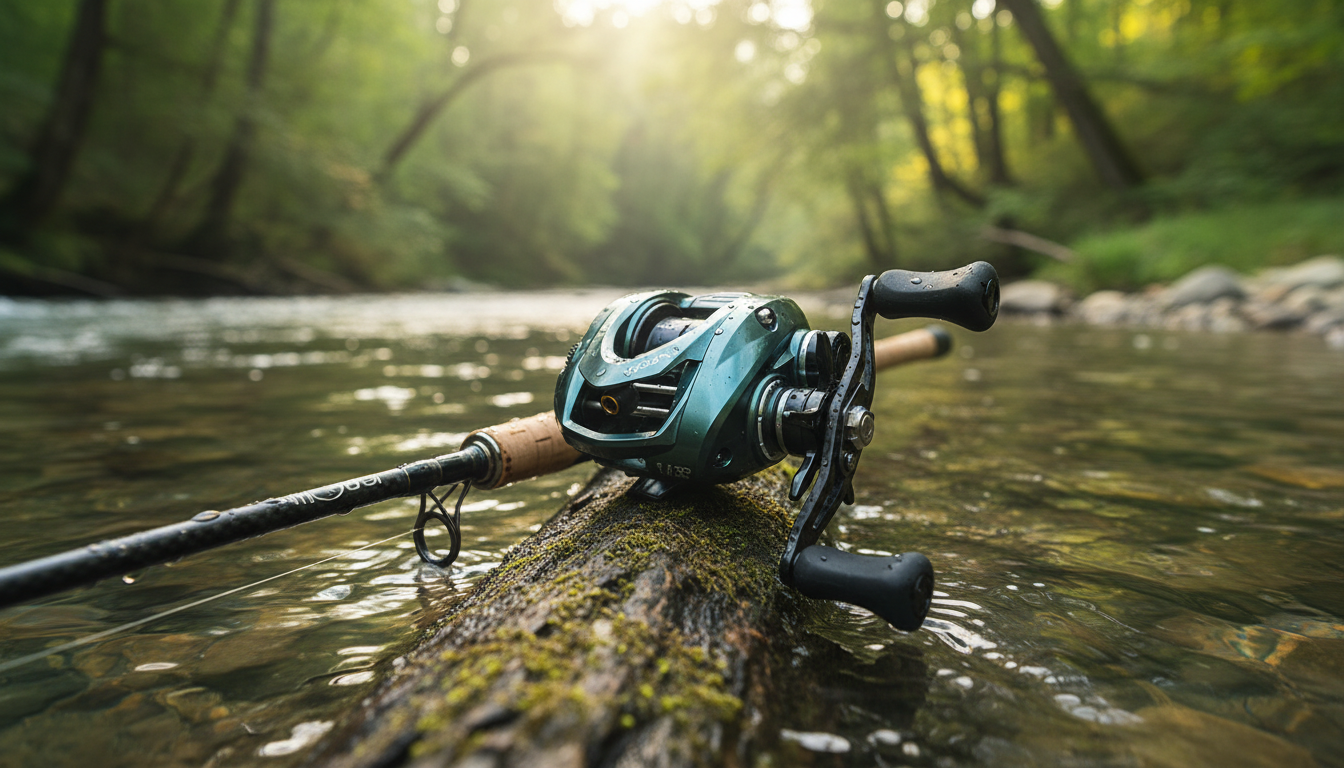
An ultra-light carbon baitcasting reel can make long sessions easier on the wrist while keeping retrieves fast and controlled. The combination of a carbon-forward build, a tunable 3D magnetic brake, and an 8.1:1 gear ratio is geared toward anglers who like quick line pickup, accurate target casting, and fewer headaches when conditions change. Below is a practical breakdown of how these features behave on the water—and how to set the reel up so it performs the way it’s supposed to.
“Ultra-light” starts with materials and design. Carbon-focused construction aims to trim ounces without making the reel feel hollow or fragile in hand, which matters when you’re making hundreds of casts a day.
Lower reel weight can be a real advantage for high-cadence techniques like jerkbaits, walking topwaters, and repeated pitching. Less mass in your palm typically translates to less wrist fatigue and better concentration late in the day—when a lot of bites happen.
A lighter reel can also balance modern lightweight rods more naturally. If a setup feels tip-heavy, the rod wants to nose-dive during retrieves and pauses; better balance helps you work a lure precisely and keep your forearm relaxed.
Carbon components can resist corrosion better than some bare metals, but they still benefit from basic care. A quick wipe-down after use—and a light rinse followed by thorough drying after brackish exposure—helps keep everything smooth over the long term.
Magnetic braking slows spool speed using magnetic force, and it’s most noticeable during the highest-RPM portion of the cast (right after release). That’s also the phase where overruns often start if the spool accelerates faster than the lure can pull line.
“3D” braking typically points to finer, multi-step control—giving you more usable adjustment ranges to match lure weight, wind direction, and casting style. Think of it as better “resolution” when you’re trying to find that sweet spot between distance and control.
Practical examples:
A reliable setup approach is to start with higher brake than expected and moderate spool tension, make short test casts, then reduce the brake incrementally until casts stay clean with minimal thumb input. The goal isn’t “no thumb ever”—it’s predictable control that stays consistent across a full day of changing conditions.
An 8.1:1 gear ratio is all about fast line pickup. That speed helps most when you’re managing slack—after a pitch, after a bait lands, or when a fish swims toward you and you need to catch up quickly to keep pressure on the hook.
It’s also a strong match for techniques where speed control and quick follow-up casts matter, including buzzbaits, frogs, swim jigs, and some topwater styles. When you’re covering water or trying to trigger reaction bites, a fast reel can help you stay in rhythm.
The tradeoff is that fast gearing can encourage over-speeding certain lures. For crankbaits or slow-rolled presentations, it often works better to slow your handle cadence and let the bait do its job—especially when you’re trying to maintain depth or keep a lure in a narrow strike zone.
Pairing tip: match a fast reel with techniques that benefit from quick slack pickup rather than constant, heavy resistance.
| Feature | What it means on the water |
|---|---|
| Ultra-light carbon build | Reduced fatigue; better rod balance for repeated casting and pitching |
| 3D magnetic brake | More controlled casts with fewer overruns; easier adjustment across lure weights and wind |
| 8.1:1 gear ratio | Fast line pickup for slack management, fast-moving baits, and quick follow-up presentations |
| Baitcasting form factor | Thumb-controlled casting, efficient for accurate target casting and heavier lure styles |
For general tackle and safe handling reminders, the Florida Fish and Wildlife Conservation Commission offers helpful basics at myfwc.com/fishing. If you’re planning around changing water movement, NOAA’s tides and currents tools can also help you anticipate conditions that affect casting and lure control: tidesandcurrents.noaa.gov.
No—an 8.1:1 reel is versatile, and it shines when you need quick slack pickup for pitching, frogs, and fast-moving baits. For lures that work best slower (like many crankbaits), simply slow your handle cadence to keep the bait in its ideal range.
Start with a higher brake setting and make short casts while focusing on smooth releases and controlled splashdowns. Lower the brake gradually as you gain confidence, and use your thumb at the end of the cast to prevent most overruns.
Braid is a strong match for vegetation and topwater techniques, and a leader can add abrasion resistance or stealth when needed. Fluorocarbon works well for bottom contact and sensitivity, but it may cast cleaner with slightly higher brake settings until the line settles in.



Leave a comment
You must be logged in to post a comment.