Street food can be the fastest way to understand a place—its flavors, daily rhythms, and local comfort foods—without a reservation or a long menu. The goal isn’t to “play it safe” by skipping markets; it’s to eat smart: pick great vendors, order with confidence, and enjoy iconic dishes across different countries while keeping food safety and cultural etiquette in mind.
The best street stalls tend to advertise quality through rhythm and repetition. A few quick signals can help you find the vendors locals trust.
Street food is meant to be spontaneous, but a 10-second scan can reduce risk significantly. If you want a deeper safety refresher, the World Health Organization’s Five Keys to Safer Food and the CDC’s food and water safety guidance for travelers are practical, no-drama references.
| What to Observe | Good Sign | Red Flag |
|---|---|---|
| Crowd and turnover | Steady line, locals returning | Empty stall during peak hours |
| Cooking method | Made to order over high heat | Large trays sitting lukewarm |
| Cleanliness | Wiped surfaces, covered ingredients | Open containers with flies |
| Utensils and money handling | Separate hands/tools for cash and food | Same bare hand touches cash and food |
| Oil and grill station | Oil looks clean, grill scraped regularly | Burnt residue, dark foaming oil |
Iconic street foods share a theme: craveable flavor, fast cooking, and a repeatable method. Use these as starting points, then follow the local line to find the best version.
| Country | Must-Try Street Foods | What to Look For | Easy Ordering Tip |
|---|---|---|---|
| Mexico | Tacos al pastor, elote, tamales | Meat carved fresh, hot tortillas | Order 2–3 tacos, add salsa after tasting |
| Thailand | Moo ping, pad thai, mango sticky rice | Wok/fire cooking, fresh herbs | Ask for spice level if offered |
| Vietnam | Bánh mì, phở, gỏi cuốn | Crisp bread, hot broth, clean prep | Point to fillings; request extra herbs |
| Japan | Yakitori, takoyaki, okonomiyaki | Cooked in front, organized station | Pay first, then receive ticket or order number |
| India | Dosa, chaat, vada pav | Hot griddle, fresh batter, covered chutneys | Start mild; add chutneys gradually |
| Turkey | Döner, simit | Fast slicing, warm bread | Ask for preferred sauces and pickles |
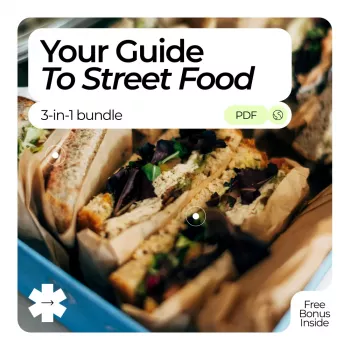
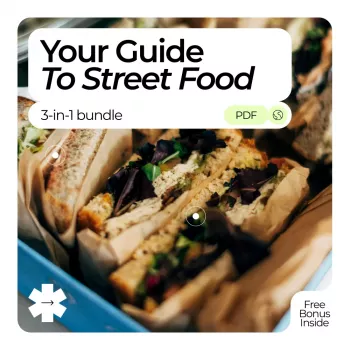
If you want a ready-to-use way to plan tastings by destination and avoid decision fatigue in busy markets, the Your Guide to Street Food Done Right – Best Street Food in Different Countries Bundle is designed as a practical companion: iconic dishes to look for, cues for choosing vendors, and an easy way to map 3–5 signature bites per city.
For travelers who like to stay comfortable while exploring markets and night streets, consider packing walkable, polished footwear like the Elegant Pointed Toe Leather Slingback Sandals for Women – Summer Office Heels. And if you’re recreating a “global night market” at home, a washable, grippy floor layer such as the Botanical Floral Non-Slip Area Rug – Soft, Modern & Machine Washable can make cleanup easier around a high-traffic serving area.
Look for a steady line (high turnover), cooking-to-order, covered ingredients, and separate cash handling. Hot foods should be steaming, and it’s best to avoid stalls where trays sit lukewarm or exposed.
Start with foods cooked thoroughly at high heat—grilled skewers, fried items, or simmered soups—served piping hot. Choose sealed bottled drinks and fruits you peel yourself, and be cautious with raw items or room-temperature sauces.
Use a translated allergy card and ask about shared fryers or cross-contact on cutting boards and utensils. Stick to simpler foods with visible ingredients and avoid mixed dishes where sauces, pastes, or toppings can hide allergens.



Leave a comment
You must be logged in to post a comment.