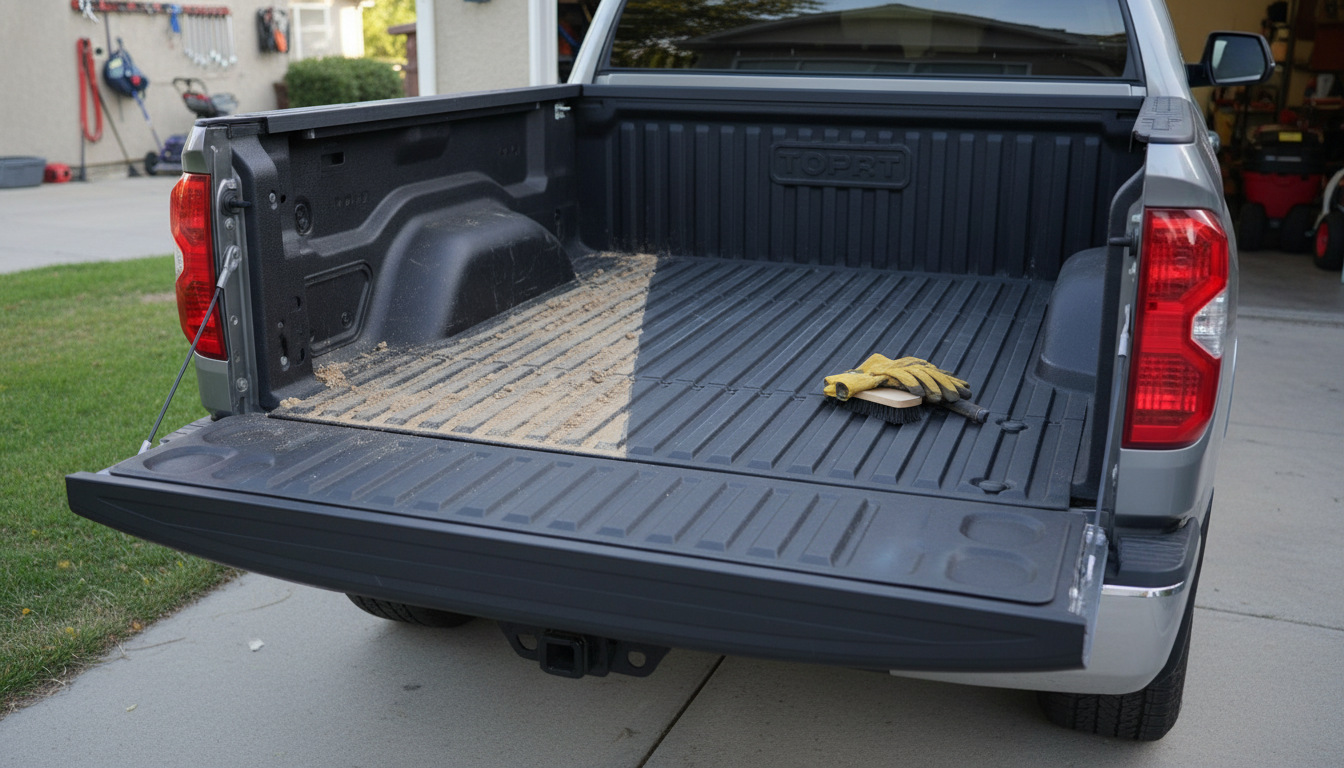
A fitted truck bed mat helps keep cargo from sliding, protects the bed floor from scuffs and dents, and makes cleanup easier after work or weekend hauling. This guide covers what to look for in a non-slip TPE liner for a 2022–2024 Toyota Tundra 5.5 ft bed, how it performs in real use, and simple installation and care tips.
A bed mat is one of those upgrades you notice on the very first trip. The bed floor stops feeling like a slick, painted tray, and it becomes a surface that “holds” what you toss in back.
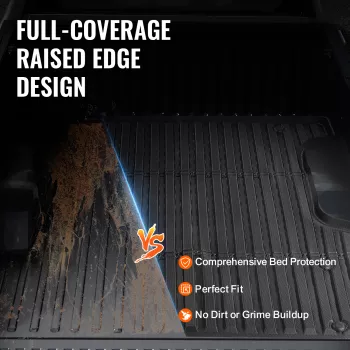
Fit matters more than most owners expect. A good mat should settle into the floor contours so it stays put and doesn’t create a wavy edge that catches cargo. Before ordering, confirm the bed length (many CrewMax trims use a 5.5 ft bed) and consider how existing accessories may change the way a mat sits.
| Check | What to verify | Why it matters |
|---|---|---|
| Bed length | 5.5 ft bed (not 6.5 ft or 8 ft) | Ensures full floor coverage without gaps |
| Model years | 2022–2024 Toyota Tundra | Matches bed stamping and floor geometry changes |
| Existing liner | Spray-in or drop-in liner presence | Can change thickness and edge fit |
| Tie-down access | No blocked anchor points | Keeps cargo secure with straps and hooks |
| Tailgate area | Rear edge lays flat | Prevents curling and wear at the entry point |
For bed sizing and trim details, Toyota’s official model information can help confirm specifications: Toyota Tundra – Specifications (Toyota).
TPE (thermoplastic elastomer) is popular for cargo-contact surfaces because it balances rubber-like grip with plastic-like durability. In daily use, that balance shows up as a mat that settles into the bed floor and stays more stable across temperature swings.
If you’re curious about how thermoplastics behave (including elastomer blends), a general material overview is available here: Plastics and TPE Material Overview (Encyclopaedia Britannica).
| Feature | What it does | Good sign during use |
|---|---|---|
| Non-slip top texture | Increases friction under cargo | Fewer tie-down adjustments needed mid-trip |
| Stable underside | Helps mat stay planted | No creeping toward the tailgate over time |
| Edge definition | Helps keep debris from migrating under the mat | Less grit trapped underneath after hauling |
| Impact cushioning | Reduces dent risk from dropped items | Noticeably quieter loading and unloading |
| Easy wash finish | Speeds cleanup | Mud rinses off without heavy scrubbing |
| Option | Strength | Trade-off |
|---|---|---|
| TPE bed mat | High cargo grip, removable, easy cleanup | Needs occasional lifting to dry underneath |
| Spray-in liner | Permanent, good abrasion resistance | Less traction; not removable for cleaning |
| Drop-in liner | Thick coverage, easy to replace | Can trap debris/moisture; may rattle or shift |
Moisture can collect under any mat or liner, especially after rain or when hauling wet gear. The simplest habit is to lift the mat occasionally, rinse out any trapped grit, and let the bed floor dry completely.
Most bed mats sit on the floor and don’t interfere with tonneau covers. It’s still smart to confirm the rear edge lays flat and that the mat doesn’t contact cover rails or block drain paths.
Warm the mat in the sun or a warm garage, then lay it flat and press the corners down for a short time (light weight helps). A clean bed floor also improves contact so the edges settle and stay flatter.



Leave a comment
You must be logged in to post a comment.