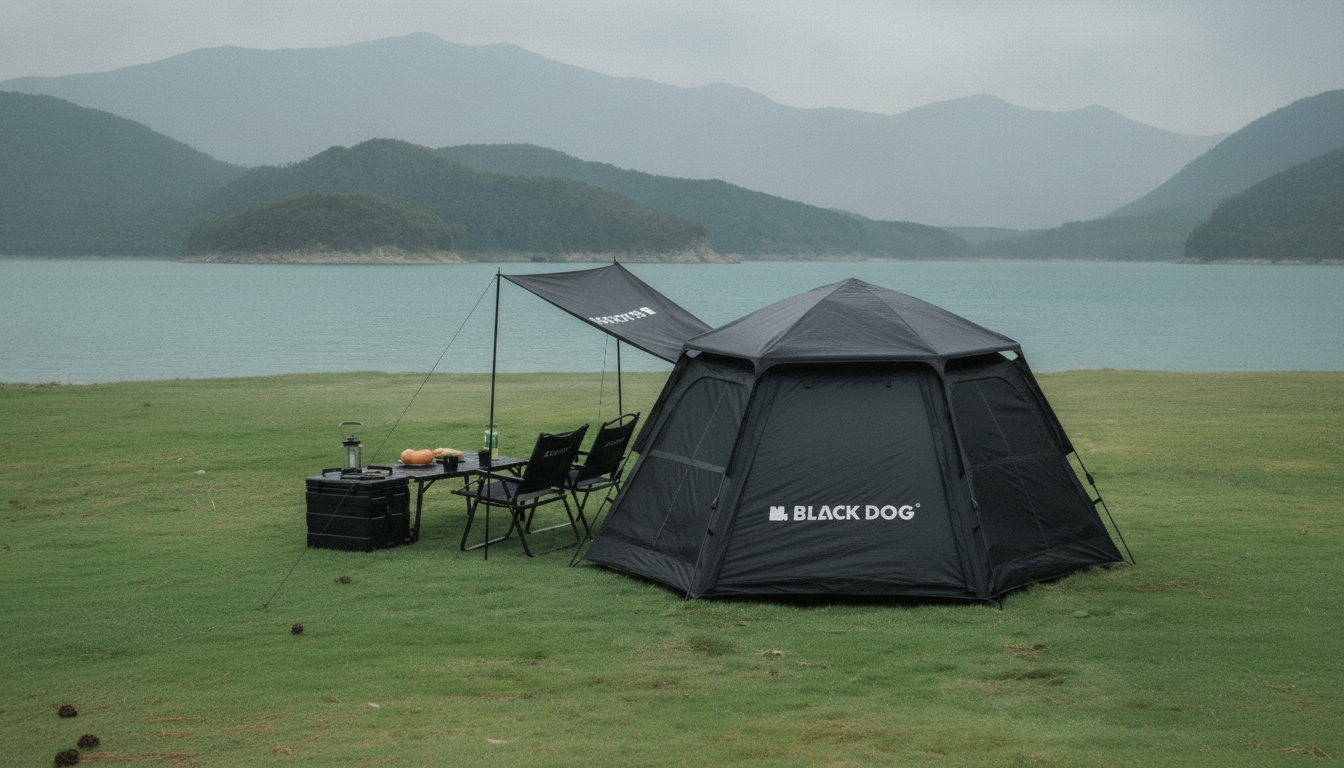
A fast-setup tent can make weekends and short trips smoother—especially when airflow, bug protection, and weather coverage matter. An automatic pop-up, double-layer design is built to reduce the usual setup friction while supporting more comfortable sleep for 3–4 campers. Below is a practical breakdown of what this style of tent changes at camp, why double-layer construction tends to feel less clammy overnight, how to use ventilation effectively, and how to get better weather performance from a pop-up pitch.
Pop-up frames are all about speed and repeatability. Instead of sorting poles, feeding sleeves, and correcting a lopsided pitch, you can often be “mostly set” in minutes—helpful when you roll in at dusk, rain is approaching, or the trip includes several one-night stops.
One key detail: pop-up doesn’t mean “stake-free.” The structure may stand on its own, but wind and rain performance still depend on proper anchoring and clean tension.
Single-wall tents can work, but they often feel damp on humid nights because the surface where condensation forms is closer to sleepers. A double-layer build separates the living space from the rainfly/outer layer, which typically means less contact with moisture and better control over airflow.
| Feature | Single-layer | Double-layer |
|---|---|---|
| Condensation control | Moisture often collects closer to occupants | Moisture tends to form on the outer layer; inner stays drier |
| Ventilation options | Limited if fabric panels are closed | Mesh inner + adjustable outer vents improve airflow paths |
| Weather flexibility | Can feel clammy in humid conditions | More adaptable across humid nights and cooler evenings |
| Bug protection | Varies by panel design | Mesh inner commonly provides strong insect barrier |
“Breathable” is only meaningful if air has a path to enter and exit. The goal is cross-ventilation: fresh air in on one side and warm, humid air out on the other.
If storms are in the forecast, review lightning safety guidance before you head out and avoid exposed ridgelines or isolated trees. The National Weather Service offers clear, practical recommendations for campers at weather.gov/safety/lightning.
Most “3–4 person” tents feel best when expectations match real sleeping-pad math. A comfortable setup is often three adults plus gear, while four sleepers usually means narrower pads and a plan for moving bags elsewhere.
To keep camp impact low while choosing sites and staking out, follow the Leave No Trace principles at lnt.org/why/7-principles.
For a deeper maintenance checklist, REI’s care guide is a reliable reference: REI Expert Advice — Tent Care and Maintenance.
| Item | Details |
|---|---|
| Name | Automatic Pop-Up Camping Tent for 3-4 People with Double Layer & Ventilation |
| Price | 266.97 USD |
| Availability | In stock |
It usually reduces how much moisture reaches sleepers, but condensation can still form on the outer layer in humid or cold conditions. Keeping vents open, storing wet gear outside the sleeping area, and choosing a breezier pitch helps noticeably.
It can be reliable when it’s fully staked and guyed out. Wind performance depends heavily on anchoring, good site selection, and keeping the fabric properly tensioned to reduce flapping.
Three adults with gear is typically the comfort sweet spot. Four people usually works best with narrower pads and a plan to store some gear outside the sleeping area.

Leave a comment
You must be logged in to post a comment.