Long days on hard floors, workouts, and travel can leave feet feeling heavy and tense. An electric shiatsu foot massager that combines kneading, gentle heat, and air compression is designed to mimic hands-on techniques while supporting a calmer end-of-day routine at home. Used consistently and at comfortable settings, it can become a simple “reset” you look forward to—especially when your feet have been doing the most.
Why Feet Feel Tired (and What Helps Most)
Foot fatigue rarely comes from just one thing. It’s often a stack of small stressors that add up over time.
- Prolonged standing: Hours on hard surfaces can overload the arches and heel, leaving the soles feeling tight by evening.
- Tight calves: Calf tightness can change how the foot pulls and loads with each step, which is one reason stretching matters.
- Unsupportive footwear: Thin soles or worn-out shoes can make your feet work harder than they should.
- Reduced circulation from sitting: Long desk sessions or travel can make feet feel “puffy” or heavy even if you haven’t walked much.
A combination approach often feels more complete: kneading for deeper pressure, heat for comfort and looseness, and compression for a “wrapped” sensation around the foot. Consistency matters more than intensity; short sessions used regularly can feel better than occasional high-intensity sessions. For a quick overview of common reasons feet hurt, see Mayo Clinic’s foot pain causes guide.
How Shiatsu Kneading, Heat, and Air Compression Work Together
Multi-function foot massagers aim to recreate several comfort techniques in one unit, letting you tailor the feel to your day.
- Shiatsu-style kneading: Rotating nodes work across the arch and sole to simulate thumb pressure and rolling strokes, which can feel especially satisfying after standing or a workout.
- Heat: Gentle warmth can make muscles feel less tight and more relaxed, particularly when used during evening downtime. If recurring heel or arch irritation is a concern, it can also help to understand common conditions like plantar fasciitis (Cleveland Clinic).
- Air compression: Inflating chambers apply rhythmic pressure along the sides and top of the foot, creating a calming squeeze that many people prefer when they want to unwind rather than “dig in” deeply.
Many users prefer heat plus compression at moderate settings for wind-down sessions, while kneading-only can be ideal for a quick refresh when you don’t want extra warmth.
Modes and What They’re Best For
| Feature |
Sensation |
Best time to use |
Helpful for |
| Shiatsu kneading |
Deep rolling/pressing on the sole |
After standing, post-workout |
Tired arches, general foot tension |
| Heat |
Gentle warmth |
Evening relaxation |
Stiffness, comfort, cold feet |
| Air compression |
Rhythmic squeeze around the foot |
Desk breaks, bedtime routine |
Heavy-feeling feet, relaxation |
| Combined program |
Layered pressure + warmth |
End-of-day reset |
Full-foot comfort and unwind |
Key Features to Look For Before Buying
Not all massagers feel the same. A few practical details can make the difference between “used once” and “used nightly.”
- Adjustable intensity: Multiple levels help match sensitivity—especially if your feet are ticklish, sore, or you’re new to kneading massage.
- Independent controls: The ability to toggle heat or compression separately keeps the device useful year-round (and lets you fine-tune your routine).
- Foot chamber size and fit: Look for a design that accommodates your foot size and distributes contact across toes, arch, and heel instead of focusing on one spot.
- Safety and comfort basics: Auto shut-off, a stable base, and breathable/cleanable liners support frequent use.
- Noise level: Quieter operation is easier to live with during TV time, reading, or late-night relaxation.
How to Use a Foot Massager for a Better At-Home Routine
A good session should feel soothing and supportive—not like you’re trying to “power through.”
- Start low for the first few sessions: Let your feet adapt, then increase gradually as it becomes comfortable.
- Aim for 10–20 minutes: Longer isn’t always better, especially if the kneading is strong.
- For a post-work reset: Try kneading + compression at a moderate level; add heat only if it feels good for you.
- For bedtime relaxation: Use moderate heat + gentle compression, and keep kneading lighter if you’re sensitive.
- Pair with simple habits: Hydrate, elevate your feet for a few minutes afterward, and stretch calves/arches for longer-lasting comfort. If your legs cramp or feel tight often, Johns Hopkins has a helpful overview of muscle cramps and tightness basics.
Who It’s Best For (and When to Check with a Professional)
Care, Cleaning, and Placement Tips
Product Spotlight: Electric Shiatsu Foot Massager with Heat & Air Compression
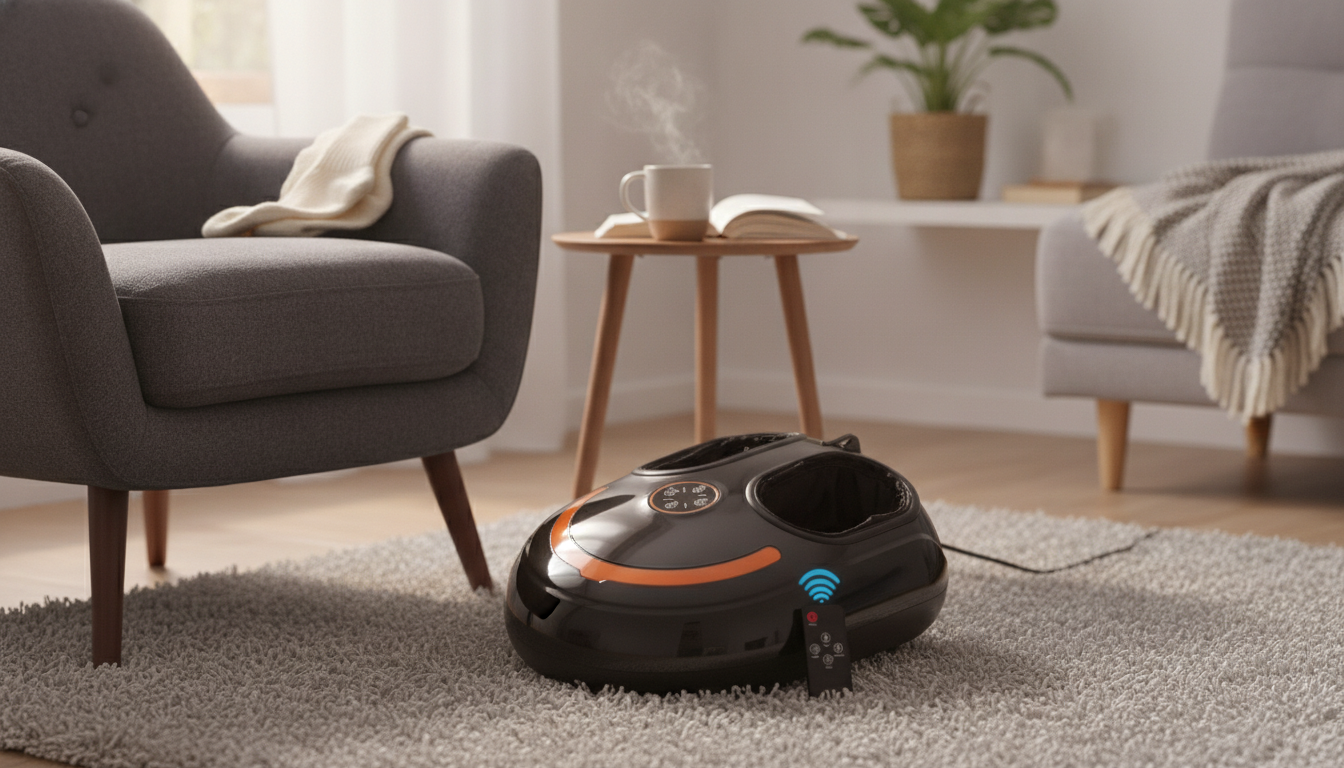
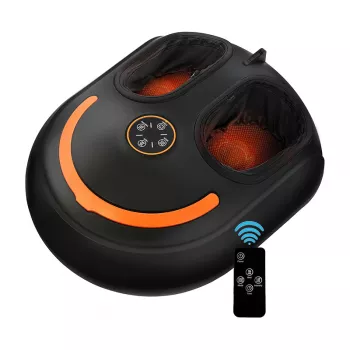
If you’re building a dependable wind-down ritual, the Electric Shiatsu Foot Massager with Heat & Air Compression for Home Relaxation is designed to combine shiatsu-style kneading, warming heat, and air compression in one at-home device. It’s especially useful for end-of-day decompression after standing, workouts, or long periods of sitting: set the timer, choose a comfortable intensity, and repeat regularly for the best overall experience.
FAQ
How long should a foot massager be used per session?
Most sessions land in the 10–20 minute range. Start at a lower intensity and stop if you notice numbness, sharp pain, or discomfort, and follow the device’s timer or auto shut-off guidance.
Is heat safe to use every day?
For many people, moderate warmth is fine to use daily, especially for evening relaxation. Avoid heat if you have heat sensitivity, inflammation, or reduced sensation, and don’t use heat while sleeping.
Can air compression feel too tight?
Yes, especially at higher levels or if your foot isn’t positioned well. Start low, adjust gradually, and discontinue use if tingling, numbness, or pain develops.
Recommended for you

Leave a comment
You must be logged in to post a comment.