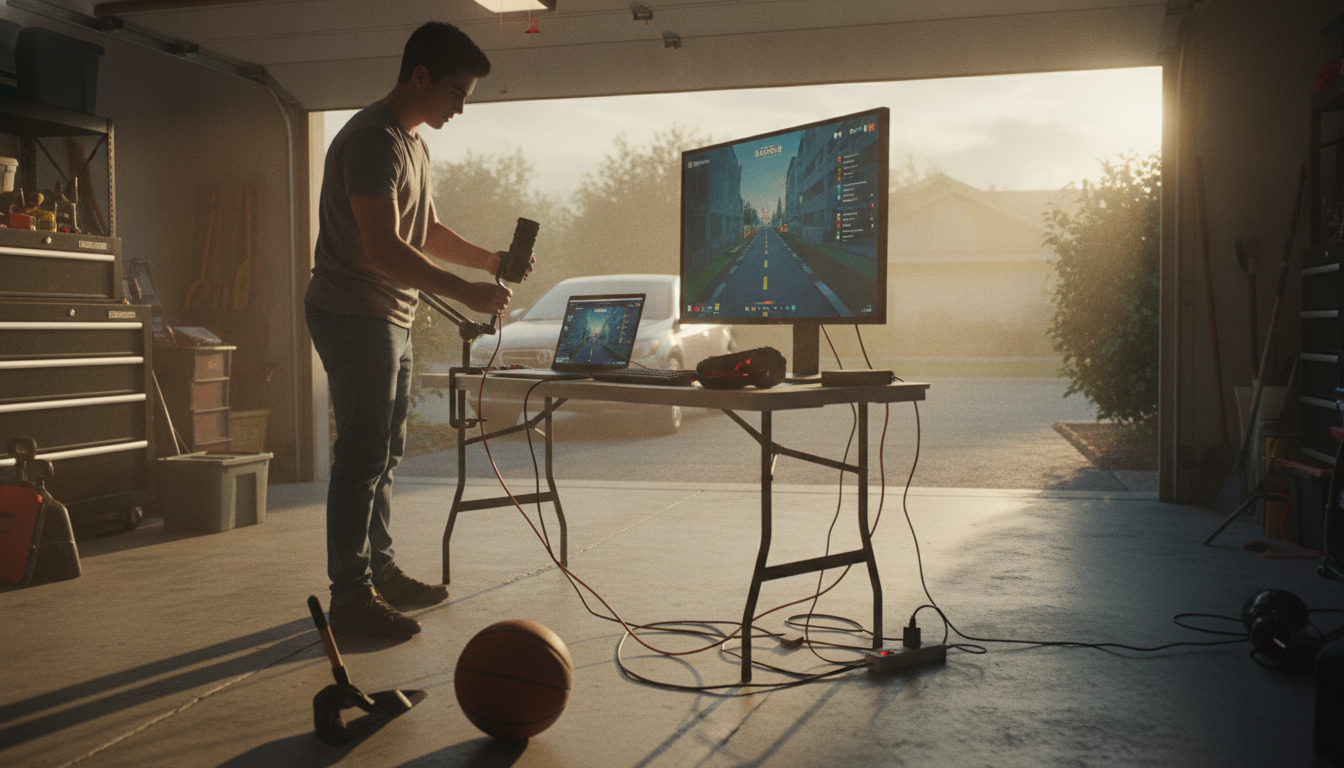
Yes—dynamic microphones can be an excellent choice for streaming, especially in typical home setups where background noise is hard to control. Because dynamics are less sensitive than condenser mics, they tend to pick up more of what’s right in front of them (your voice) and less of what’s around you (keyboard clacks, PC fans, room echo).
Most dynamic mics have pickup patterns designed to focus on your voice while reducing sound from the sides and rear. That makes them a strong fit for untreated rooms, shared spaces, or desk setups where you can’t perfectly isolate noise.
If your room is reflective—hard floors, bare walls, minimal acoustic treatment—a dynamic mic often sounds cleaner because it captures less reverb than many condensers. The result is typically a tighter, more “broadcast-style” sound when positioned correctly.
Dynamic mics usually want you closer to the capsule. Staying a few inches away improves clarity and consistency, and it helps keep your voice present over game audio or music.
Dynamics commonly require more preamp gain than condensers. If your audio interface or mixer is noisy when turned up, you might hear hiss. A quality interface—or an inline gain booster—can solve this for many setups.
To get the best sound, use a boom arm when possible and keep the mic aimed at your mouth (not your chest). A pop filter or windscreen helps reduce plosives, especially when working close.
For a deeper breakdown of pros, cons, and setup tips, see the full guide here: https://elevatdlife.com/are-dynamic-mics-good-for-streaming/.
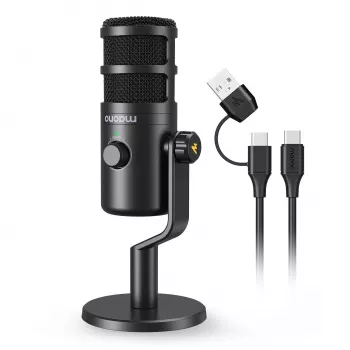
Not always. USB dynamic mics plug straight into a computer, while XLR dynamic mics typically need an audio interface or mixer to provide gain and conversion to digital audio.


Leave a comment
You must be logged in to post a comment.