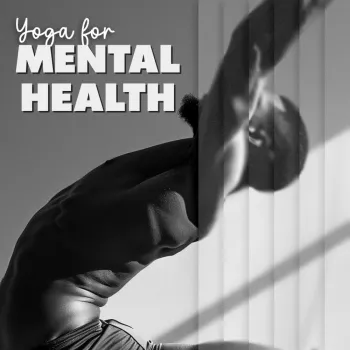
Emotional balance rarely comes from willpower alone—it’s often built through repeatable body-based habits that help the nervous system settle. Yoga offers a gentle, structured way to combine movement, breath, and attention so stress responses soften and steadier moods become easier to access. Below is a grounded approach to using yoga for stress relief, anxiety support, and emotional healing—plus a simple routine that can be adapted for beginners and busy schedules.
Your mind and body constantly talk to each other. Breathing patterns, muscle tension, and posture can either amplify stress or signal safety. When the breath gets short and the body braces (tight jaw, lifted shoulders), the nervous system often interprets it as “something’s wrong,” which can intensify anxious thoughts. Yoga helps interrupt that loop by pairing slow, intentional movement with steady breathing and focused attention.
Many people report benefits such as improved sleep, a lower day-to-day stress load, better emotional regulation, and fewer physical symptoms of anxiety (like tension headaches or a tight chest). These effects are consistent with what’s known about stress and the body’s stress response, including how prolonged stress can impact multiple systems over time. For additional background, see the American Psychological Association’s overview of how stress affects the body and the NCCIH guidance on yoga.
Yoga is best viewed as complementary support—not a replacement for therapy, medication, or medical care when those are needed. The most stabilizing results usually come from consistency and simplicity rather than intensity. A short routine you actually repeat is more regulating than an occasional “perfect” session.
Emotional balance doesn’t mean never feeling stressed, sad, or overwhelmed. It tends to show up in practical ways:
If anxiety is high, begin with slower exhales to signal safety and reduce activation. A simple ratio is inhale for 3–4 counts, exhale for 5–6 counts, keeping it smooth and unforced.
When the nervous system is keyed up, deeper stretches and fast transitions can feel like “too much.” Smooth, predictable movements often work better than ambitious poses. If your breathing becomes strained, that’s a cue to scale back.
Lower lighting, minimal noise, and a clear floor area reduce background stress. Props are not “cheating”—they’re a way to help the body relax. Use pillows or folded blankets under knees, hips, or forehead in restorative shapes.
A short daily practice is often more stabilizing than occasional long sessions. If decision fatigue is part of your stress pattern, a repeatable sequence can be the difference between practicing and skipping.
This routine is designed to downshift your system without forcing a mood change. Move slowly, stay out of pain, and aim for a “quiet effort” level.
| Need right now | Best options | How it helps | Keep in mind |
|---|---|---|---|
| Racing thoughts | Long-exhale breathing, child’s pose | Shifts attention to breath/body; reduces arousal | Keep the breath gentle—no straining |
| Tight chest/shoulders | Supported heart opener, seated side bend | Encourages easier breathing and posture relief | Support with pillows; stop if dizzy |
| Restlessness | Slow flow (cat–cow, gentle sun variation) | Uses movement to discharge energy safely | Move smoothly; avoid fast transitions |
| Overwhelm or shutdown | Legs-up-the-wall, supported savasana | Promotes calm and recovery | Start with 2–5 minutes; build gradually |
Seek professional care if anxiety, depression, or trauma symptoms significantly impair daily life. Yoga can bring emotions to the surface; if you feel flooded, pause and choose gentler, more supported practices. Stop and consult a clinician if you experience dizziness, chest pain, or other alarming symptoms. For a clear overview of anxiety disorders and when to seek help, visit the National Institute of Mental Health.
A realistic baseline is 10–20 minutes, 3–5 days per week, because consistency tends to matter more than intensity. On busy days, a minimum effective dose can be 5 minutes of longer-exhale breathing plus one restorative pose like child’s pose or legs-up-the-wall.
Yes—gentle tools like longer exhales, a supported forward fold, and grounding through touch points can help reduce activation and bring attention back to the body. Keep the practice soft and steady, and use it as a complement to professional care when needed.
It can be, especially when you choose restorative, trauma-informed approaches and stay within a comfortable range of sensation. If you feel overwhelmed, stop, return to grounding (feet on the floor, hand on the belly), and consider support from a therapist or clinician.




Leave a comment
You must be logged in to post a comment.