
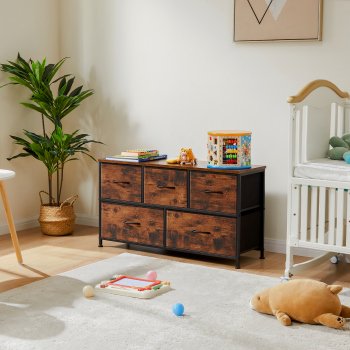
A compact, lightweight storage piece can make daily routines easier without adding visual clutter. This 5-drawer fabric dresser pairs a steel frame with soft-sided drawers to create flexible storage for closets, bedrooms, entryways, and living rooms—ideal for organizing essentials while keeping the room feeling open. For a streamlined upgrade, explore the Modern 5-Drawer Fabric Dresser with Steel Frame – Closet & Living Room Storage to create quick, category-based organization without committing to a bulky wood dresser.
When storage is scattered, everyday tasks take longer—finding socks, untangling chargers, or clearing a chair piled with “later” items. A 5-drawer fabric dresser creates simple structure with a lighter footprint.
This style of dresser is built around a practical combination: a rigid frame for stability and soft drawers for flexibility. It’s especially useful in apartments, rentals, and multipurpose rooms where furniture needs to adapt.
Because the silhouette is compact and visually “light,” this dresser can slot into spots that would feel crowded with solid wood. Think of it as flexible storage you can move as your needs change.
A five-drawer layout is enough to separate daily essentials from overflow items without turning the system into a complicated project. A helpful rule: keep frequently used, lightweight items at the top and bulkier items at the bottom.
| Drawer Level | Closet Use | Living Room Use | Bedroom Use |
|---|---|---|---|
| Top | Socks, belts, accessories | Remotes, chargers, cables | Jewelry pouch, socks, sleep masks |
| Upper-middle | Workout wear | Kids’ small toys, cards | T-shirts, tanks |
| Center | Folded tees, shorts | Games, controllers | Loungewear |
| Lower-middle | Scarves, hats, seasonal add-ons | Blanket accessories, candles | Light sweaters |
| Bottom | Towels/linens overflow | Throws, bulk storage | Heavier knits, extra bedding |
Most wobble issues come from rushed assembly or an uneven surface. Taking a few minutes to square the frame and balance the load pays off every day afterward.
Fabric drawers are designed for convenience, and simple care helps them stay crisp-looking. For textiles in general, it’s smart to follow care guidance on labels and documentation; the FTC’s overview of textile labeling rules is a useful reference: Federal Trade Commission: Care Labeling Rule (Textiles).
Any freestanding storage benefits from smart habits—especially in busy homes. If you want to reduce tip-over risk further, review anchoring guidance from the U.S. Consumer Product Safety Commission: CPSC Anchor It! Prevent Tip-Over Accidents.
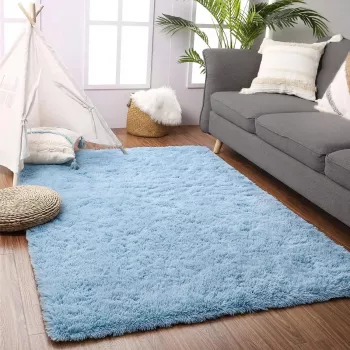
If you want to define the space around the dresser, consider adding a soft foundation like the Botanical Floral Non-Slip Area Rug – Soft, Modern & Machine Washable or the Soft Velvet Plush Blue Rug for Living Room & Bedroom – Modern Fluffy Carpet.
See details and current pricing here: Modern 5-Drawer Fabric Dresser with Steel Frame – Closet & Living Room Storage.
Yes—fabric drawers are a strong fit for folded clothing and lightweight household items. For the best results, avoid overfilling, use small organizers to help contents stay in place, and keep heavier items in the lower drawers to maintain shape and stability.
It works well in closets for tees, socks, accessories, workout gear, and kids’ clothing. Measure your closet’s width and depth first, and leave clearance so hinged or sliding doors can open without rubbing.
Assemble it on a flat surface, tighten hardware evenly, and load heavier items in the bottom drawers. If the floor is uneven or the unit sits in a high-traffic spot, wall anchoring can add extra stability.


Leave a comment
You must be logged in to post a comment.