
Burberry’s story is often reduced to a single silhouette: the trench coat. Yet the brand’s influence stretches far beyond outerwear—into textile innovation, British identity, runway reinvention, and the way luxury evolves in public view. What makes Burberry enduring is the way it keeps recognizable signals—checks, tailoring, and weather-ready practicality—while letting those signals mean something new to each era. This guide maps the key moments and ideas behind Burberry’s staying power, and how an accessible eBook can help connect the dots from heritage to modern design culture. For more guidance, see Scouting emerging AI applications in fashion heritage and ….
Many luxury houses begin with ornament; Burberry began with use. That difference still shapes the brand’s DNA. Functionality (and the credibility that comes with it) makes the label’s “classic” feel less like costume and more like equipment refined into style. For further reading, see A Symbolic Shift Toward Sustainability Inspired by Barthes.
For brand background and corporate heritage, Burberry’s own history resources and timelines can be useful starting points, alongside independent overviews like Encyclopaedia Britannica’s entry on Burberry.
Burberry’s authority comes from solving a problem first: dressing people for rain, wind, and unpredictable climates. That practicality—paired with consistent craftsmanship—created a foundation that later translated into luxury value.
Those details aren’t decorative afterthoughts; they’re a design language built from purpose. Even when a trench is worn purely for aesthetics today, the hardware and structure quietly communicate preparedness and polish.
Burberry’s most recognizable elements work like a toolkit. A pattern, a silhouette, and a cultural mood can be combined in countless ways—sometimes restrained, sometimes loud—without losing the thread of identity.
| Brand element | Design purpose | How it’s reinterpreted today |
|---|---|---|
| Trench coat details (belt, storm flap, epaulettes) | Weather protection and utility-driven structure | Updated proportions, lighter materials, gender-fluid styling |
| Burberry check | A distinctive pattern identity | Scale changes, color variants, paneling, subtle linings |
| Neutral palette and tailoring | Versatile, polished wardrobe foundation | Streetwear layering, bold accessories, seasonal color pops |
| Outerwear focus | Performance and craftsmanship as brand pillars | Runway statements and capsule collections |
Innovation in luxury isn’t only about a “new look.” It’s also about what a garment is made of, how it’s produced, and how it’s introduced to the public. Burberry’s modern chapters show how continuity can be built through changing systems, not just repeating silhouettes.
Runways and campaigns now land instantly across platforms, meaning brand codes must read clearly at a glance. That pressure often favors strong signatures—like the check—while pushing designers to refresh fit, styling, and context so the signatures feel current rather than museum-bound. For broader research on fashion history and design context, the Victoria and Albert Museum’s fashion collections are a helpful reference point.
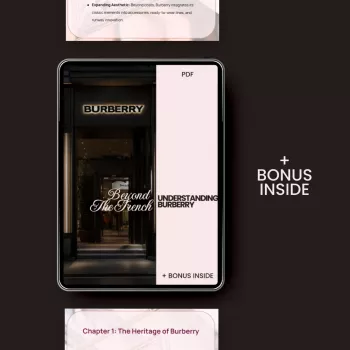
For a focused, quick-reference read, Beyond the Trench: Understanding Burberry Guide – Fashion, Heritage, & Innovation eBook Download packages the essentials into an easy format that’s simple to revisit when a runway moment or vintage find sparks questions.
Burberry is widely recognized for the Burberry check, its outerwear craftsmanship, and a tailored, British-rooted aesthetic that shows up across accessories and ready-to-wear. Its visual codes have also become frequent cultural references in music, film, and street style.
The brand keeps core codes—like the check, trench structure, and sharp tailoring—while evolving materials, proportions, and styling to match contemporary tastes. Modern digital presentation and faster fashion cycles also influence how those codes are introduced and refreshed.
Yes. It’s designed to be accessible, with structured themes and practical context that don’t require prior expertise, making it easy to connect design details to wider changes in culture and luxury.






Leave a comment
You must be logged in to post a comment.