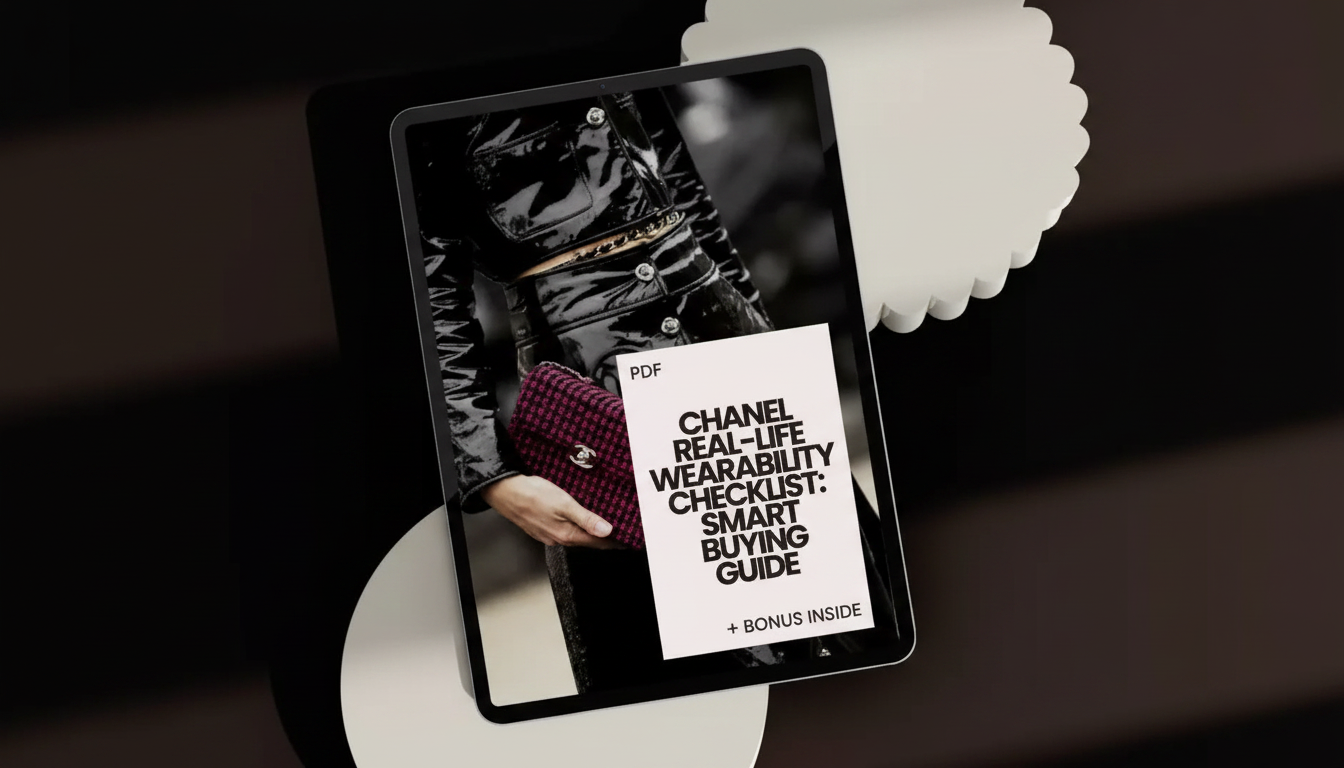
Chanel pieces can be iconic and still end up sitting in a closet if they don’t match daily routines, climate, comfort needs, and maintenance tolerance. A smarter approach is to judge a potential purchase the way it will actually be used: how often it will be worn, what it takes to keep it looking right, and whether it fits your real schedule (not an imagined one). For brand reference and current collections, you can cross-check materials and silhouettes on the CHANEL Official Website.
Before focusing on color, rarity, or runway appeal, start with your day-to-day. Define one primary use case—workdays, weekends, events, travel, or a true all-purpose piece. Then set a wear-frequency target that’s honest: “twice a week” creates different priorities than “twice a year.”
Next, list constraints that can quietly sabotage wearability: long commutes, frequent walking, hot/humid weather, rain exposure, strict dress codes, or the need to carry more than a phone and cardholder. “Comfortable” also needs a personal definition—weight limits, strap tolerance on bare shoulders, heel height you can do for hours, and fabrics that don’t itch or snag.
Finally, confirm styling range: the item should elevate at least three outfits you already own without forcing a brand-new wardrobe. If you need to buy four additional basics to “make it work,” the true cost (and effort) is higher than it looks.
A quick test can prevent expensive regret. For clothing, do a movement check: sit, raise your arms, walk briskly, and climb a few stairs. Any pulling at the shoulders, gaping at buttons, or restrictive seams usually gets worse over time, not better.
For shoes, stand for 10 minutes and walk on hard flooring. Pay attention to toe pressure, heel slip, and arch support. If the soles are smooth, traction matters—especially if you’ll wear them on office tile, rainy sidewalks, or stairs.
For bags, test capacity using what you actually carry (phone size included). Confirm how it sits while walking and whether it’s stable as a shoulder or crossbody carry. Chains, clasps, and metal edges should not pinch skin, snag knits, or catch hair. Also consider closure speed: can you open it one-handed, does it feel secure, and is it practical in real conditions (commuting, carrying coffee, wearing gloves)?
If you want a structured way to decide, use a scorecard and set a minimum total before you buy.
| Category | What to check | Score (1–5) | Notes |
|---|---|---|---|
| Comfort | Pressure points, range of motion, weight | ||
| Function | Capacity, closure, pockets, traction | ||
| Durability | Wear-prone areas, stitching, corners, soles | ||
| Maintenance | Cleaning effort, color transfer risk, storage needs | ||
| Versatility | Works with 3+ outfits and 2+ settings | ||
| Value | Cost per wear estimate and resale confidence |
Wearability lives or dies on materials. With leather, focus on how quickly scratches show and whether the structure stays crisp with use. Some leathers hide scuffs better; others look amazing but “record” every contact point. Light colors are a separate decision: they can be stunning, but they also invite color transfer from denim, dark coats, and frequent friction areas.
Learn condition tiers and focus on the difference between gentle wear and structural issues: warping, deep corner wear, stretched straps, or failing glue. When buying remotely, request close-ups of corners, strap attachment points, interior lining, serial/markings where applicable, and hardware wear. Return policies matter: confirm the time window, any restocking fees, and what qualifies as “not as described.” For general consumer protections and tips on evaluating sellers, the Federal Trade Commission (FTC) consumer guidance is a useful reference point.
Confirm fit and function against your real daily items (phone size, sunglasses case, cardholder). Match the piece to existing wardrobe colors and silhouettes to avoid “single-outfit” purchases that don’t earn their keep. For a ready-to-use, printable format, use Chanel Real-Life Wearability Checklist: Smart Buying Guide. If you’re evaluating office-appropriate footwear with similar practicality standards, consider Elegant Pointed Toe Leather Slingback Sandals for Women – Summer Office Heels for a walkability-first option.
Request exact measurements (including strap drop), the item’s weight, close-ups of corners and interior, and a short closure video to confirm ease and security. Compare stated capacity to your real daily essentials and only buy when the return policy gives you a safe way out if it arrives differently than described.
The biggest issues are weight, straps that dig in, slippery soles, limited capacity, and fussy closures that slow you down. Delicate materials and high-maintenance light colors can also become deal-breakers if your routine includes friction, travel, or frequent contact with darker clothing.
Yes—divide the total cost (purchase price plus realistic maintenance) by how many times you’ll actually use it in a year. It’s still okay to buy for collection or heirloom goals, but the math helps prevent “special occasion only” purchases unless that’s truly the point.



Leave a comment
You must be logged in to post a comment.