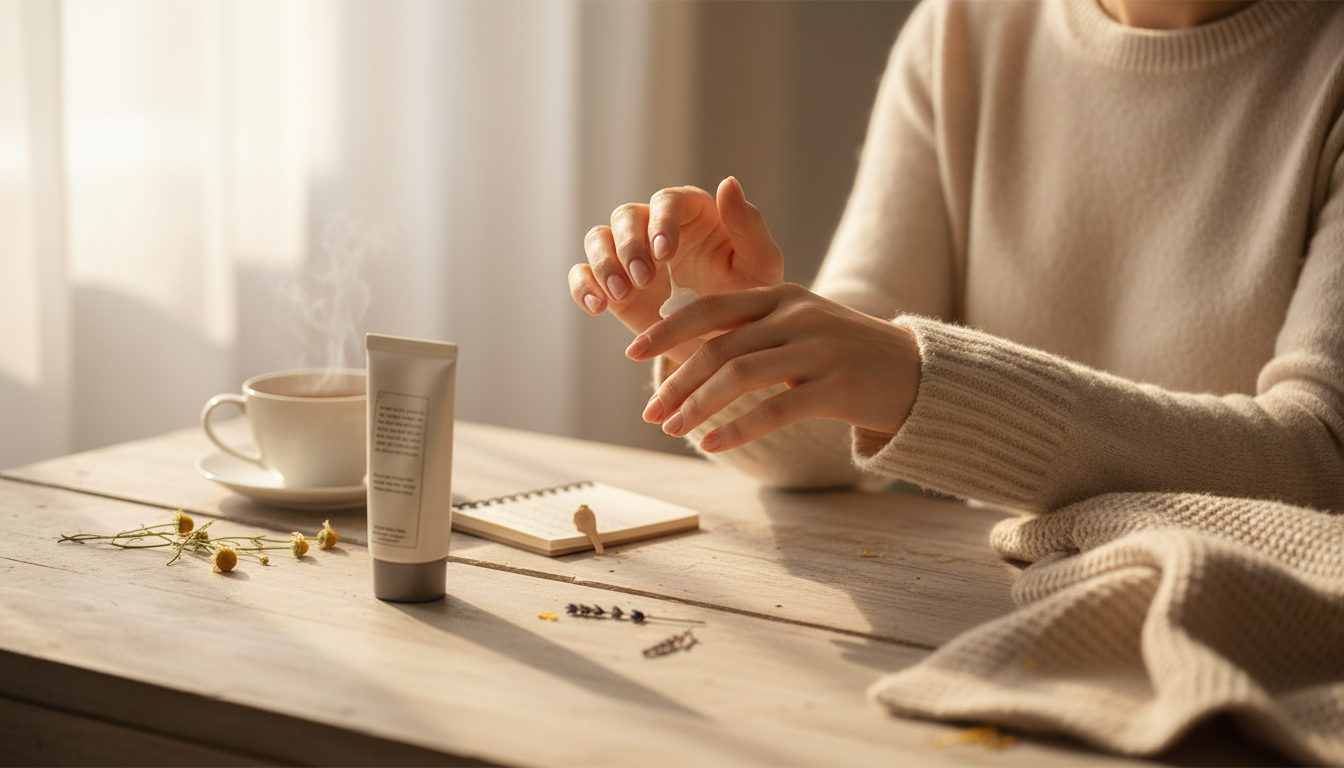
Dry, tight hands usually come from small daily frictions—frequent washing, sanitizer, cold air, and harsh detergents. Comfort improves fastest with a simple system: protect the skin barrier, moisturize with intention, and lock it in at night. Below is an easy routine to follow, a few smart upgrades that prevent backsliding, and a checklist that keeps results steady instead of temporary.
Hands do a lot of work and get washed more than almost any other body part. That combination makes them especially vulnerable to dryness, rough texture, and painful cracking.
If dryness is frequent, it helps to treat it like a barrier issue rather than a one-time “needs lotion” moment. The American Academy of Dermatology has helpful basics on dry skin causes and daily care habits: American Academy of Dermatology Association: Dry skin.
The most effective routine is the one that’s easy enough to repeat. The goal is to replace what washing removes, then reduce evaporation when your hands are most still (overnight).
| Situation | What to do | What to avoid |
|---|---|---|
| After washing | Pat dry; moisturize within 60 seconds | Air-drying completely before moisturizing |
| After sanitizer | Apply a small amount of cream once sanitizer dries | Layering sanitizer over cracked skin without follow-up |
| Cold/outdoor time | Use gloves; moisturize before leaving | Bare hands in wind; repeated cold exposure |
| Cleaning/dishes | Use nitrile/rubber gloves; moisturize afterward | Direct contact with detergents and bleach |
| Bedtime | Thicker layer + optional cotton gloves | Skipping night care during flare-ups |
It’s not just about how much moisturizer you use—it’s when and how it’s applied, and whether it’s matched to your day.
If hand irritation is frequent or looks like eczema (redness, itching, flaking, fissures), the National Eczema Association’s overview can help you recognize patterns and triggers: National Eczema Association: Hand eczema.
Night is when hands get the longest uninterrupted time to recover. A small upgrade here often changes everything.
If you rely on sanitizer often, technique matters—apply enough to cover all surfaces, rub until dry, then follow with cream once dry if your skin is prone to cracking. The CDC explains best practices here: CDC: When & How to Use Hand Sanitizer.
A simple option is Soft Hands That Stay Comfortable – Digital Hand Care Guide, designed around a practical system: moisturizing habits, a night routine, and long-term comfort check-ins.
If home comfort is part of your winter routine (less cranking the heat, more cozy layers), a soft, easy-to-clean surface can also help reduce daily friction in your space. Consider adding a washable, low-slip option like the Botanical Floral Non-Slip Area Rug – Soft, Modern & Machine Washable to high-traffic areas where you tend to stand and clean.
Apply hand cream after every wash and again before bed. Add extra applications during cold weather, cleaning, or periods of frequent sanitizer use.
Moisturizer works best when applied to slightly damp skin and followed by an occlusive-rich product when needed. If you’re using hot water, harsh soap, or detergents often, dryness can return quickly unless those triggers are reduced and you reapply after each wash.
Seek evaluation if you have deep cracks, bleeding, intense itching, a spreading rash, signs of infection (warmth, swelling, pus), or no improvement after 2–3 weeks of gentle care. Persistent symptoms can signal eczema, contact allergy, or another treatable condition.




Leave a comment
You must be logged in to post a comment.