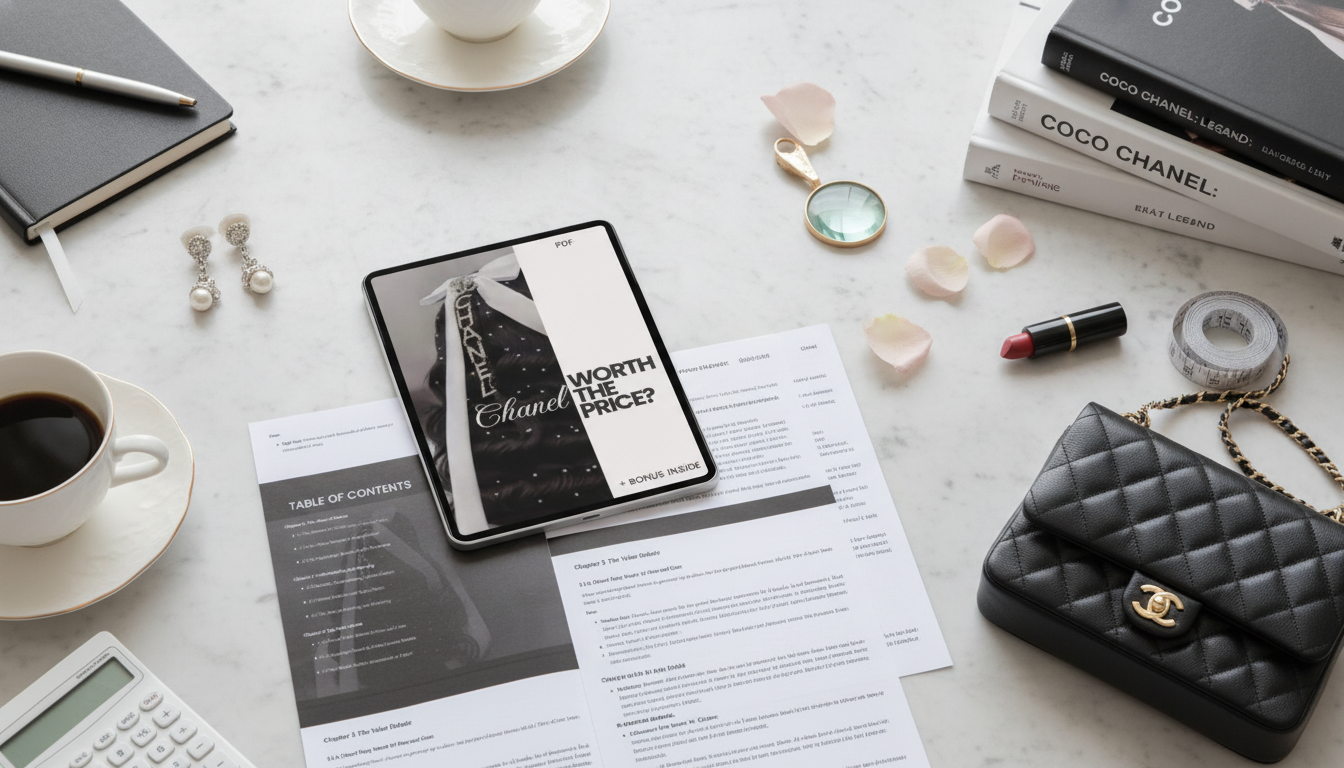
Chanel sits at the intersection of craftsmanship, cultural status, and steep pricing that has accelerated in recent years. Deciding whether it’s “worth it” depends less on hype and more on what value means in practice: materials and construction, longevity, cost-per-wear, resale potential, and the opportunity cost versus other wardrobe priorities. This guide breaks down the key factors that influence Chanel’s pricing and what buyers can realistically expect—whether the goal is daily wear, collecting, or a long-term wardrobe investment. For more guidance, see Porsche remains world’s most valuable luxury & premium brand.
Luxury value has two tracks that don’t always match: emotional value and measurable value. Emotional value is the joy of owning a piece you’ve dreamed about, the confidence it adds, or the meaning tied to a milestone. Measurable value is what you can observe and compare—durability, versatility, frequency of use, and the likelihood of recouping part of the cost later.
Chanel pricing is shaped by both tangible inputs and intentional scarcity. Signature codes—quilting, chain straps, camellias, tweed—carry a premium because they’re culturally recognizable and consistently reinforced across decades. That heritage is part of what buyers pay for, even when two bags use superficially similar materials.
For broader context on luxury market dynamics, Bain & Company’s insights on the category can help frame why brands push pricing and scarcity strategies over time: Bain & Company Luxury Goods insights. For brand-side references and current collections, consult Chanel’s official website.
“Worth it” can rise or fall on the details you notice in the first five minutes of handling a piece. Before paying luxury prices, do a slow inspection focused on the areas that take stress during real life.
A high price can be rational when the item is worn frequently, works with many outfits, and reduces the need for multiple “almost right” alternatives. Cost-per-wear is a simple lens: the more you use it comfortably, the more the price can make sense.
| Scenario | Wear frequency | What makes it worth it |
|---|---|---|
| Daily staple bag | 3–6 days/week | Comfortable strap, neutral color, easy access, durable corners |
| Work/occasion rotation | 2–6 times/month | Pairs with multiple outfits, holds essentials, minimal fuss closures |
| Collector piece | A few times/year | Rarity, exceptional condition storage, strong resale demand |
| Trend-driven purchase | Unpredictable | Only worth it if budget allows and resale expectations are realistic |
Some classic Chanel styles can retain value relatively well compared with many fashion purchases, but results depend on condition, model demand, color/hardware combination, your original purchase price, and resale fees. It’s best viewed as partial value retention rather than a guaranteed return.
Buying new offers the boutique experience and clear sourcing, while pre-owned can lower the entry price and provide access to discontinued pieces. The smarter choice depends on authentication confidence, condition grading, and the total cost after repairs, fees, and insurance.
Use reputable sellers with strong documentation, request detailed photos of stitching, hardware engraving, serial/identifier areas where applicable, and interior wear points, and consider third-party authentication. Red flags include uneven quilting alignment, sloppy edge paint, inconsistent stamping, and no clear return policy.



Leave a comment
You must be logged in to post a comment.