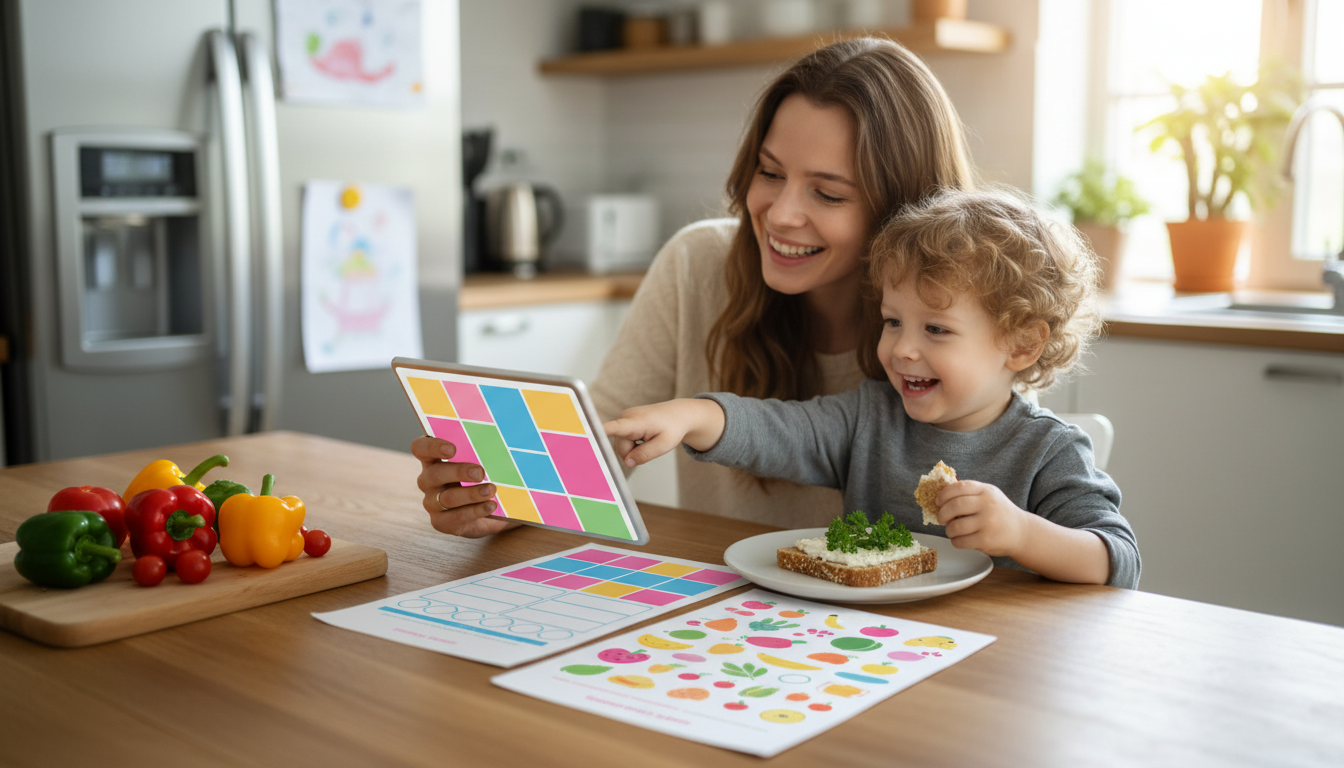
Busy school weeks can make breakfast, lunchboxes, and after-school hunger feel like a daily scramble. The Kids Meals Bundle for Weekly Planning – 3-in-1 Digital Download Pack for Stress-Free Meal Prep is built to turn kid-friendly meals into a repeatable routine—so decisions are made once, ingredients are easier to shop for, and prep feels lighter throughout the week.
Instead of aiming for a “perfect” week, this system focuses on consistency: a few reliable meal formats, a short list of prep-friendly components, and simple swap options for picky eaters and common food restrictions.
If you like practical nutrition guidance while keeping things realistic, resources like MyPlate (USDA) can help you sanity-check balance across the week without turning meals into a complicated project.
Because it’s designed as a reusable workflow, the goal is to build a small “family menu” over time: meals your kids actually eat, with ingredients that show up again and again in slightly different combinations.
The easiest way to make meal planning stick is to keep it short and repeatable. Themes narrow your options (so planning is quicker), and a handful of prepped components keep weeknight cooking from snowballing.
| Time | Task | Outcome |
|---|---|---|
| 5 minutes | Pick 5 dinners using themes and family favorites | Fewer decisions, more consistency |
| 10 minutes | List lunches and snacks based on leftovers/remixes | Lunchboxes feel automatic |
| 10 minutes | Draft a grocery list by aisle (produce, protein, pantry) | Faster shopping and fewer misses |
| 5 minutes | Assign one prep session + one midweek reset | Prep stays realistic and sustainable |
Component-style planning is especially helpful for kids: it keeps foods familiar while still offering variety. Instead of introducing five brand-new dinners, rotate a few building blocks and change the format (bowl, wrap, pasta, “snack plate”).
For additional kid-focused healthy eating basics, the CDC nutrition resources and the Academy of Nutrition and Dietetics offer straightforward guidance that pairs well with a predictable weekly routine.
Lunchboxes get easier when you stop treating each day as a brand-new plan. The bundle’s structure supports “mix-and-match” meals that repeat in a comforting way, while still changing flavors and sides across the week.
If your planning spot is a high-traffic family area (like a kitchen nook), a comfortable, easy-care foundation can make the space feel more functional day-to-day. Options like the Botanical Floral Non-Slip Area Rug – Soft, Modern & Machine Washable or the Soft Velvet Plush Blue Rug for Living Room & Bedroom – Modern Fluffy Carpet can help define a “home base” for backpacks, calendars, and meal plans—especially if you post your weekly sheet where everyone can see it.
This is a digital download pack, delivered after purchase as downloadable files you can save, print at home, or use on a tablet (depending on your preferred setup). No physical item is shipped.
Most families can plan the week in about 20–30 minutes, with prep typically taking 45–90 minutes depending on the meals you choose. Starting with just 2–3 prepped components (one protein, one grain, one produce option) keeps it manageable.
Yes—because the system is component-based, you can keep meals familiar and offer simple “swap list” alternatives (like dairy-free dips or gluten-free wraps) without changing the whole plan. For picky eaters, keeping components separate and allowing self-assembly often increases acceptance.




Leave a comment
You must be logged in to post a comment.