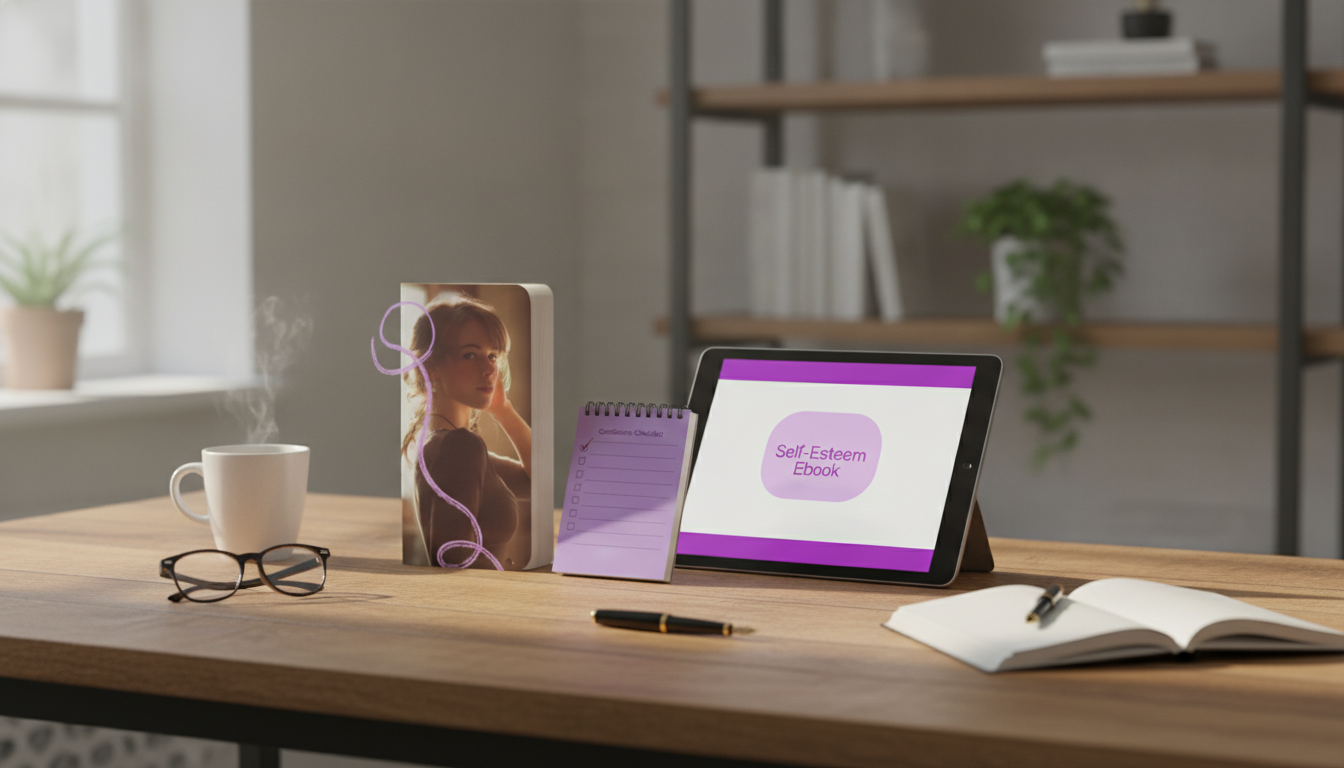
Confidence grows fastest with consistent, low-pressure practice. The goal isn’t to become a different person overnight—it’s to build steadier reactions in real moments, so conversations, meetings, and everyday choices feel less intimidating and more intentional. A simple toolkit approach helps because it creates repeatable steps: prepare what you want to say, calm the stress response, and recover cleanly if things feel awkward.
If stress and anxiety tend to show up physically (tight chest, racing thoughts, shallow breathing), that’s normal—your body is doing its job. Learning to reset quickly can make speaking up feel safer and more doable over time. For more on how stress affects the body, the American Psychological Association offers a clear overview.
Confidence is often visible as clarity and follow-through—not perfection, quick comebacks, or constant extroversion. It can look like showing up prepared, saying one useful thing, and moving on without replaying it for hours.
When anxiety or avoidance starts interfering with work, relationships, or daily routines, it may help to read up on what’s happening and what support looks like. The National Institute of Mental Health outlines common anxiety patterns and treatment options.
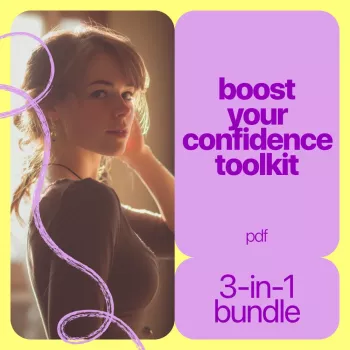
The most effective confidence systems include both “performance” tools (what to do in the moment) and “identity” tools (how you treat yourself afterward). The Boost Your Confidence Toolkit: Speak Boldly Guide, Confidence Checklist & Self-Esteem eBook is designed for that full loop:
| Situation | What to use first | Quick win | Longer-term benefit |
|---|---|---|---|
| Nervous before speaking up in a meeting | Confidence checklist | A short pre-meeting plan and breathing reset | More consistent participation |
| Fear of sounding “wrong” or being judged | Self-esteem eBook | Reframe self-talk and reduce catastrophizing | Less avoidance, faster bounce-back |
| Hard conversation or boundary-setting | Speak Boldly guide | Clear opening line and boundary script | Stronger relationships and self-trust |
| After an awkward moment | Self-esteem eBook + checklist | Repair self-talk and choose one next step | Resilience instead of rumination |
Consistency beats intensity. A short routine builds familiarity with “speaking moments” so the body stops treating them like emergencies.
If the routine feels “too small,” that’s a good sign. The point is to train safety and follow-through, not to overwhelm yourself.
Boldness doesn’t require a new personality. It requires a simple structure you can rely on when nerves spike.
Small environmental and “identity” cues can also support the shift: a tidy, calming space for practice or a put-together outfit that helps you feel ready. If creating a more settled practice corner helps, a simple home refresh like the Botanical Floral Non-Slip Area Rug – Soft, Modern & Machine Washable can make the routine feel more inviting. For days when a sharper look boosts your presence, the Elegant Pointed Toe Leather Slingback Sandals for Women – Summer Office Heels can pair well with a simple “speak clearly” plan.
For additional practical steps to improve self-esteem, the Mayo Clinic shares supportive, actionable guidance.
Noticeable improvement commonly shows up in 2–4 weeks with small daily reps, while bigger, more stable changes often take 8–12 weeks. Consistency, gradual exposure, and tracking small wins tend to matter more than intensity.
Yes—boldness can be calm, concise, and prepared. Using structure, deliberate pauses, and a few anchor phrases supports clear communication without needing to be loud or constantly social.
That’s common because performance confidence and self-worth don’t always rise together. Keep the exposure practice going while adding self-esteem work (self-talk rewrites and values-based actions), and consider professional support if the distress stays persistent.



Leave a comment
You must be logged in to post a comment.