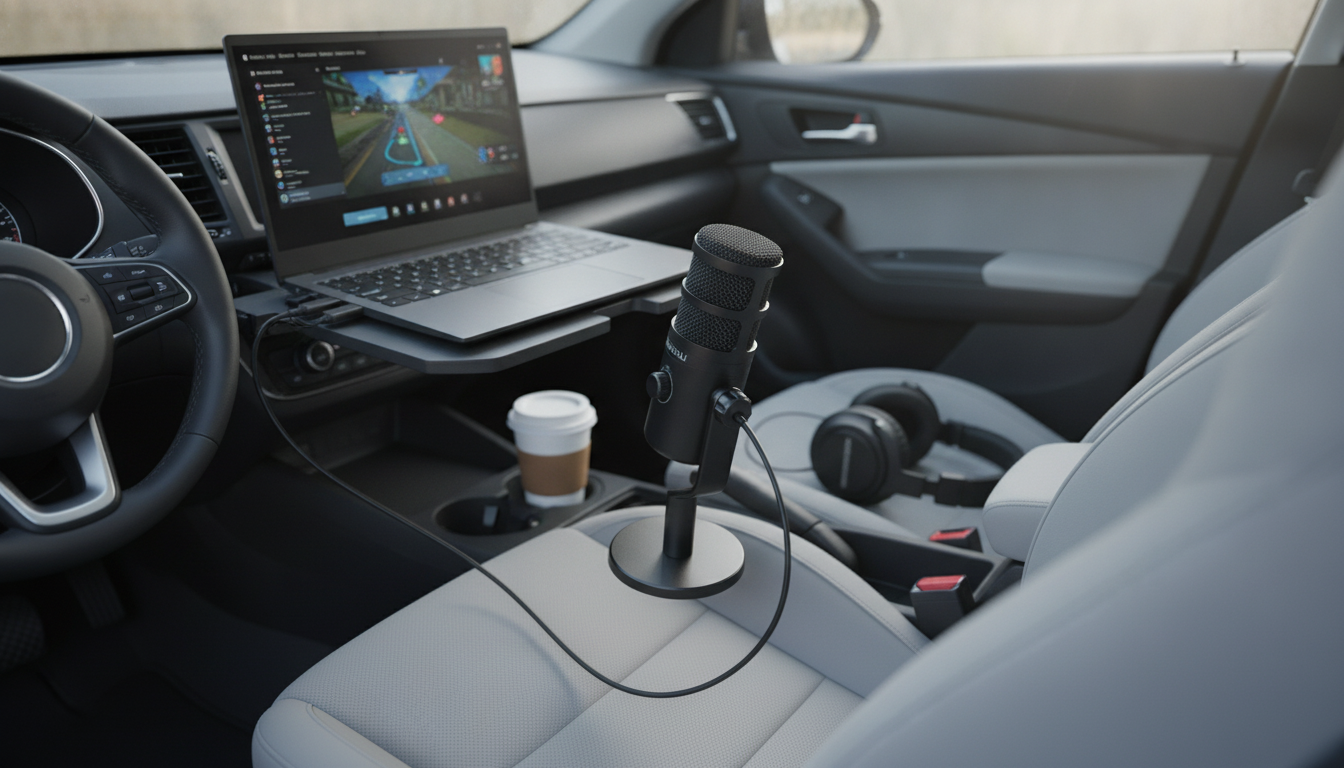
Yes—dynamic microphones are often a great choice for gaming, especially if you play in a typical bedroom or living-room setup with background noise. Compared to many condenser mics, a dynamic mic is less sensitive, which means it’s more likely to prioritize your voice and less likely to pick up keyboard clacks, PC fans, or room echo. That can translate into clearer, more focused chat audio for teammates and stream viewers.
Most gaming spaces aren’t treated studios. Dynamic microphones tend to reject sound coming from the sides and rear (depending on the pickup pattern), so they can help reduce distractions like clicking switches, controller taps, or a TV in the next room. The result is a tighter voice sound that’s easier to understand during fast matches.
Dynamics usually need more gain than condensers. If your audio interface, mixer, or USB dynamic mic doesn’t provide enough clean gain, you may hear hiss when you crank the volume. Many gamers solve this by using a quality interface with strong preamps, a mic that includes an internal preamp, or an inline gain booster. Also, dynamics generally sound best when you speak close to the mic—think 2–6 inches—so placement matters.
A dynamic microphone is an excellent fit for competitive voice chat, Discord calls, and streaming in untreated rooms. It’s also a smart pick if your setup is close to a mechanical keyboard or you share space with other people. If you want more detail and “airy” vocals and your room is quiet, a condenser might suit you—but for most everyday gaming environments, dynamic mics are forgiving and practical.
For a deeper breakdown of pros, cons, and setup tips, visit https://elevatdlife.com/is-a-dynamic-microphone-good-for-gaming/.
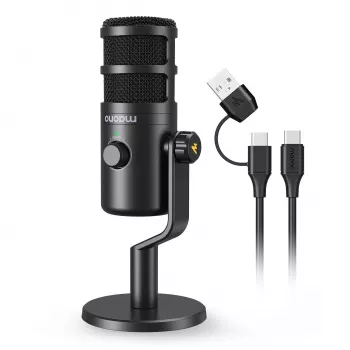
Not always. USB dynamic microphones work without an interface, but XLR dynamic mics typically need an interface or mixer to provide gain and connect to your PC.


Leave a comment
You must be logged in to post a comment.