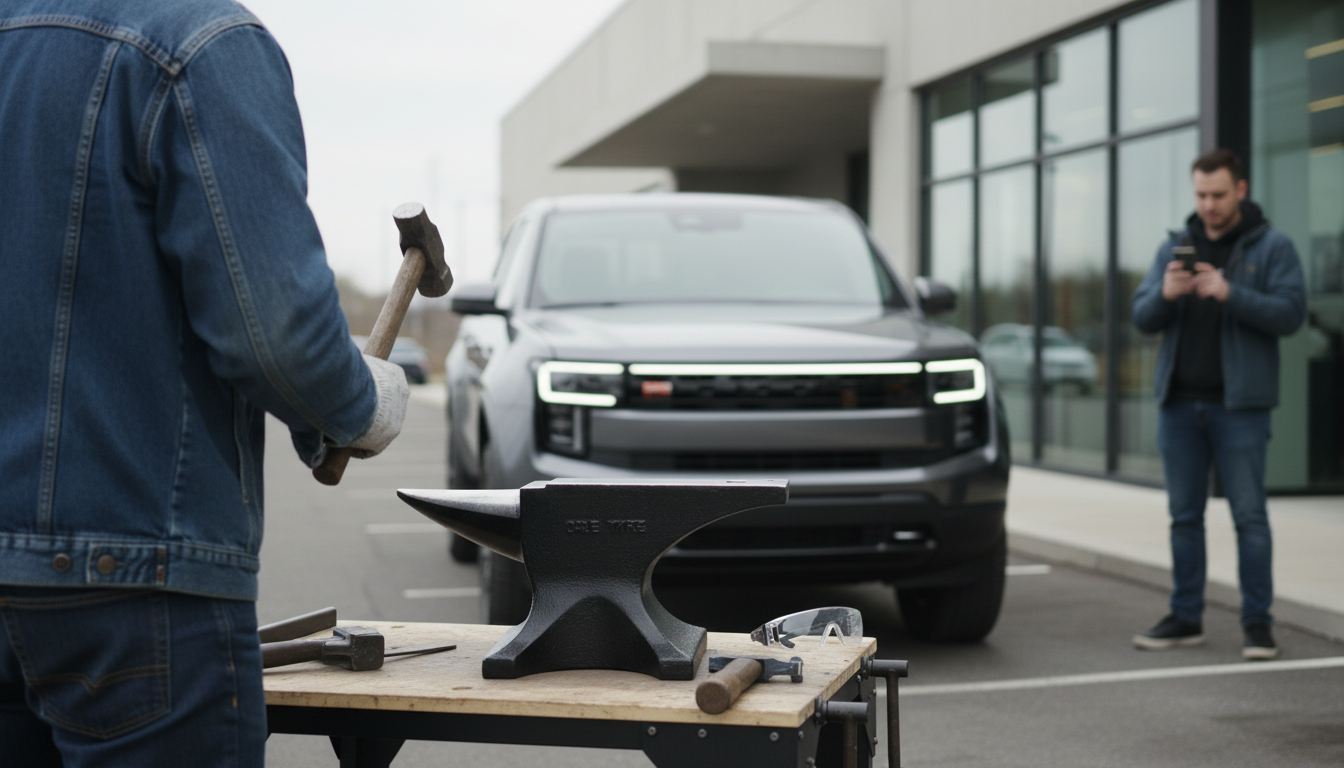
Cast steel can be a very good material for an anvil, as long as it’s made with the right alloy and heat treatment. In general, cast steel offers a solid balance of toughness and hardness, which helps an anvil survive repeated hammer blows without cracking or denting too easily. It’s also often more affordable than premium forged anvils, making it a practical choice for many home and small-shop blacksmith setups.
The performance of a cast steel anvil depends less on the fact that it’s “cast” and more on the quality of the steel and how it’s processed afterward. A well-made cast steel anvil is typically heat-treated to create a hard working surface for rebound, while keeping enough toughness underneath to resist chipping.
Where cast steel can fall short is in low-end imports or poorly controlled pours that lead to inconsistent hardness or hidden voids. Those defects can reduce rebound and cause premature edge damage. When evaluating one, pay attention to the maker’s reputation, stated hardness (if provided), and real-world user feedback.
Cast steel is generally far superior to cast iron for an anvil. Cast iron is more brittle and tends to have lower rebound, which wastes hammer energy and can crack under heavy use. Cast steel, by contrast, is tougher and typically delivers better rebound and durability.
Forged steel anvils are often considered the gold standard because forging can refine grain structure and produce excellent toughness. That said, a high-quality cast steel anvil can still perform extremely well for most forging tasks, especially for beginners and intermediate users.
Look for a hardened face, clean casting lines, crisp (but not razor-thin) edges, and good rebound. A simple rebound check with a steel ball bearing can reveal a lot: higher bounce usually indicates a harder, more efficient face. Also consider weight—heavier anvils move less and feel “livelier” under the hammer.
For a deeper breakdown of pros, cons, and what to watch out for, visit https://elevatdlife.com/is-cast-steel-good-for-an-anvil/.
Many general-purpose steel anvils perform well with a face hardness in the mid-to-high 50s on the Rockwell C scale. Harder faces tend to rebound better, but overly hard faces can be more prone to chipping if the steel and heat treat aren’t well matched.



Leave a comment
You must be logged in to post a comment.