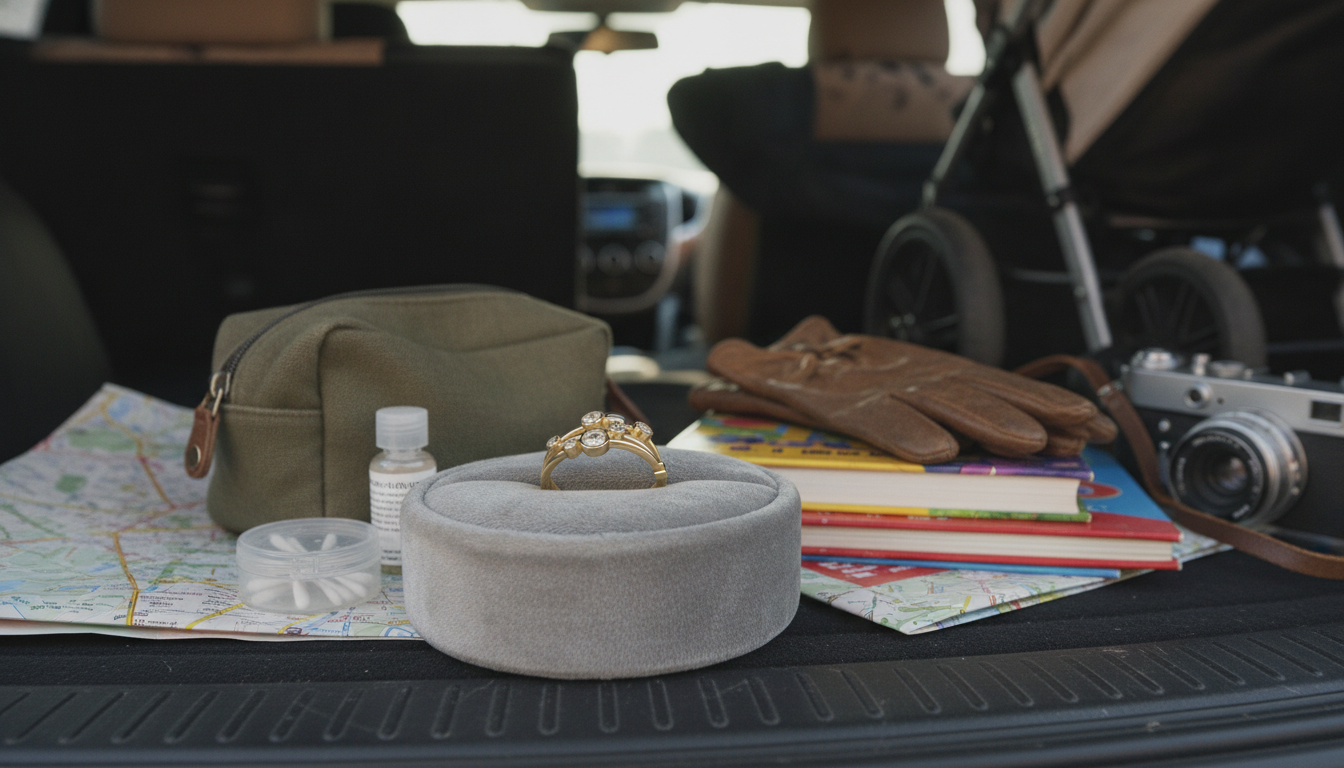
When a ring is stamped “14K,” it means the metal is made of 14 parts pure gold out of 24 parts total. In other words, 14K gold is about 58.3% gold, blended with other metals (often copper, silver, zinc, or nickel) to boost strength and change the color. That blend is why 14K gold is one of the most popular choices for fine jewelry you can actually live in—not just store in a box.
Pure gold (24K) is naturally soft, so it bends and scratches more easily. By mixing gold with sturdier metals, jewelers create an alloy that holds its shape better and stands up to daily bumps. The “K” stands for karat (a measure of purity), not to be confused with “carat,” which measures gemstone weight.
Yes—14K gold is widely considered a sweet spot for everyday durability and long-term value. It’s harder than higher-purity options like 18K and 24K, making it more resistant to dents and surface wear in day-to-day use. That’s why 14K is common for engagement rings, wedding bands, and “always-on” styles that see frequent handwashing, desk work, and normal household activity.
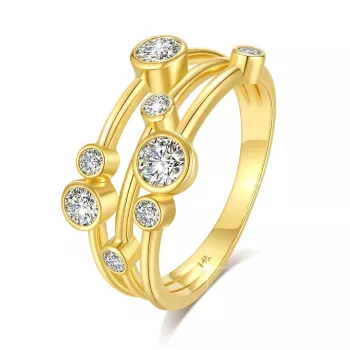
Even durable gold can scratch, especially on high-contact areas like the underside of the band. Scratches are typically superficial and can often be polished by a jeweler. Prongs and settings can also loosen over the years, so periodic checks are smart if your ring holds a stone. If you want a detailed look at how 14K gold pairs with a standout design, see this 14K gold ring guide.
Remove your ring for heavy lifting, gardening, or harsh chemicals (like bleach), and store it separately to reduce scuffs. For routine cleaning, mild soap and warm water with a soft brush is usually enough, followed by a thorough rinse and gentle dry.
14K gold can develop minor surface dullness from everyday residue, but it doesn’t “rust.” A green mark is usually a reaction to the alloy metals plus moisture or skincare products, and it’s often preventable with regular cleaning and drying.



Leave a comment
You must be logged in to post a comment.