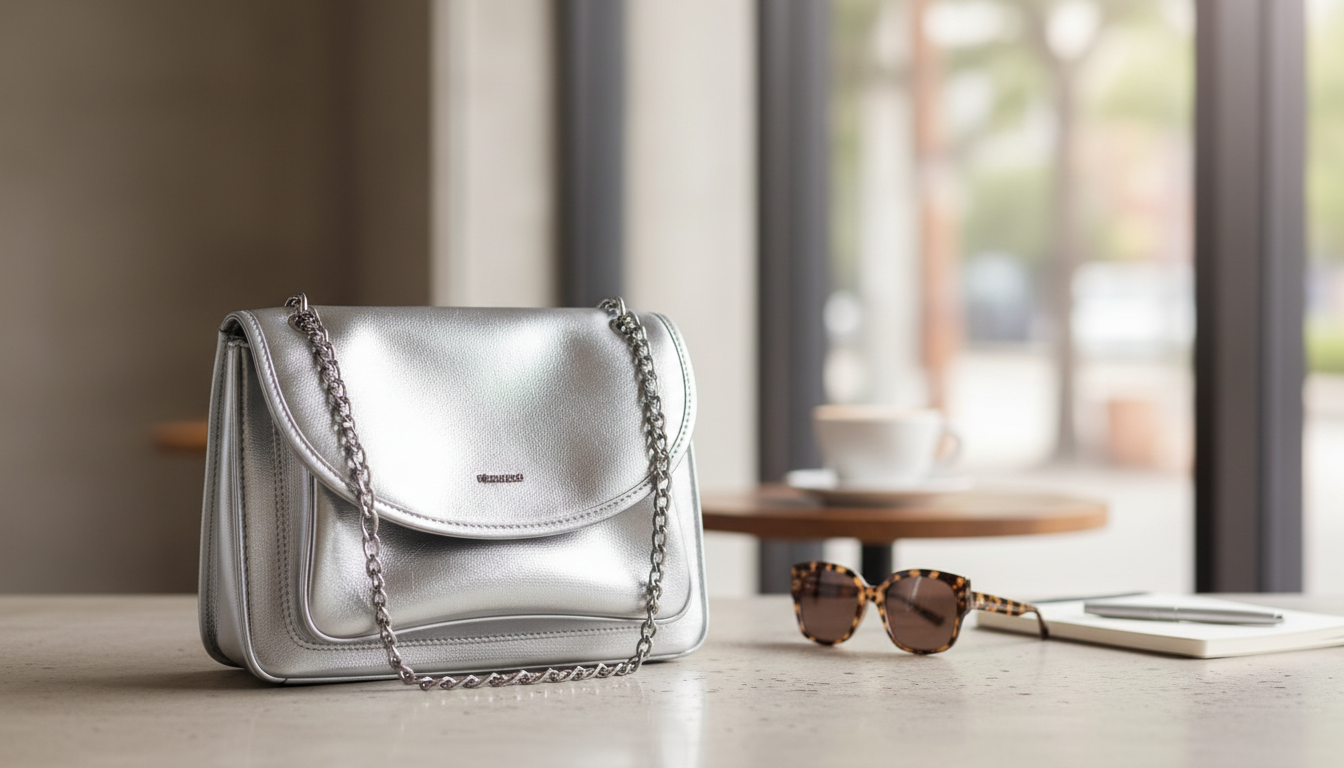
High quality leather looks natural, not “perfect.” Instead of an overly uniform surface, it typically shows subtle variation in tone and grain that signals a real hide rather than a heavily coated imitation. In good light, the color appears rich and deep, with dimension that shifts slightly as the leather moves.
Premium leather often has a visible grain pattern that isn’t stamped to look identical across the whole panel. You may notice tiny pores, gentle creasing, or minor healed marks—signs the surface hasn’t been sanded down and covered to hide everything. That authenticity is especially noticeable on full-grain and many top-grain leathers.
High quality leather usually has a soft luster rather than a glossy, plastic-like shine. If the surface looks like it has a thick clear coat, it may be heavily finished, which can reduce the leather’s ability to age with character. A better finish looks smooth and refined but still “alive,” not slick.
Leather quality shows up around the details: clean edge painting or well-burnished edges, evenly spaced stitching, and panels that lie flat without rippling. On structured bags, the leather should hold its shape without looking stiff like cardboard. Hardware and strap attachment points should feel secure, since weak construction can undermine even great leather.
High quality leather tends to develop a pleasing patina over time—subtle darkening and a smoother feel in high-touch areas—rather than cracking or peeling. If you’re comparing totes and want a deeper breakdown of materials and construction choices, see this guide: Large Leather Tote Bag with Chain Strap Guide.
For How to Spot High-Quality Leather: Grain, Sheen, Patina, the best answer depends on fit, material, care instructions, and how the product will be used day to day.
Look for natural grain variation and slight imperfections rather than a repeated stamped pattern. Real leather also tends to feel warmer and more supple in the hand, not plasticky or overly uniform.



Leave a comment
You must be logged in to post a comment.