
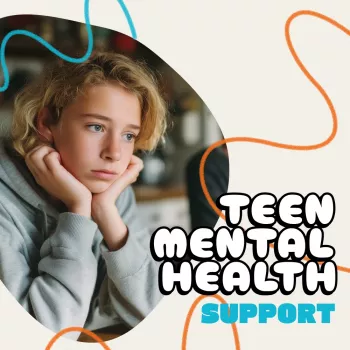
Teen Mental Health Day is a dedicated time to spotlight the emotional well-being of adolescents, reduce stigma around mental health challenges, and encourage practical support at home, in school, and in the community. Depending on the organization or school district, it may be observed as a specific day on the calendar or as part of a broader awareness week. The purpose stays the same: make it easier for teens to talk about stress, anxiety, depression, trauma, and everyday pressures—and to connect them with help sooner.
Adolescence is a high-change period: academic demands increase, friendships and social dynamics intensify, identity develops, and sleep schedules often get disrupted. Teen Mental Health Day creates a structured moment to normalize conversations like “How are you really doing?” and to remind teens that mental health is health. It also prompts adults to notice early warning signs (like withdrawal, irritability, sudden grade changes, or loss of interest) without jumping to blame or discipline.
Common activities include classroom lessons on coping skills, assemblies or guest speakers, resource tables, peer-support events, and reminders about counseling services. Families may use the day to check in, review healthy routines (sleep, nutrition, movement), and talk about what support feels helpful. Some communities also highlight crisis resources and encourage creating a simple plan for what to do if a teen feels unsafe.
Use the day as a reset, not a one-time event. Ask open-ended questions, listen without rushing to fix, and collaborate on small, realistic supports—like weekly check-ins, limiting late-night scrolling, or identifying a trusted adult at school. If you want a practical, step-by-step approach, see this guide for a teen mental health support checklist and a weekly crisis plan: https://elevatdlife.com/guide-teen-mental-health-support-checklist-weekly-crisis-plan/.
Look for noticeable changes that persist, such as withdrawal from friends, big shifts in sleep or appetite, increased irritability, frequent physical complaints, declining grades, or loss of interest in activities they used to enjoy. If there’s talk of self-harm or feeling hopeless, seek immediate professional help.



Leave a comment
You must be logged in to post a comment.