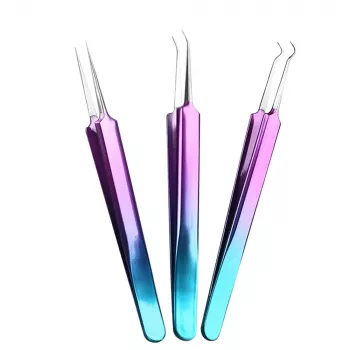
Dermatologists most commonly use a comedone extractor to remove blackheads. It’s a small stainless-steel instrument with a loop (or sometimes a flat, slotted end) designed to apply controlled pressure around a clogged pore so the oxidized plug can be expressed with less skin trauma than squeezing with fingers.
After cleansing the skin and softening the pore opening (often with warm compresses, steam, or professional prep), the dermatologist positions the loop over the blackhead and presses evenly. This targeted pressure helps lift the debris out while minimizing nail marks, bruising, and broken capillaries that can happen with at-home squeezing.
Depending on the blackhead’s depth and the condition of the surrounding skin, a dermatologist may also use:
Blackheads can look simple, but aggressive picking can trigger inflammation, post-acne marks, or even infection—especially around the nose where pores can be tight. Dermatology tools are designed for precision and control, and clinicians pair them with proper sanitization and skin assessment so extractions are safer and more effective.
If you’re curious about precision tools and technique, see the detailed guide here: https://elevatdlife.com/guide-curved-tweezers-blackheads-lash-extension-precision/.
For Dermatologist Tools for Blackhead Removal: What They Use, the best answer depends on fit, material, care instructions, and how the product will be used day to day.
Tweezers can help lift loosened debris, but they’re not the primary tool for extracting a blackhead from the pore. For most cases, a comedone extractor provides more even pressure and reduces the chance of pinching or tearing the skin.




Leave a comment
You must be logged in to post a comment.