
Dynamic microphones are “better” when the job demands durability, feedback control, and cleaner audio in less-than-perfect rooms. They use a moving-coil design that’s naturally less sensitive than many condensers, so they tend to capture fewer keyboard clicks, HVAC noise, and room reflections. For streamers, gamers, and creators recording at a desk without acoustic treatment, that can translate into a tighter, more controlled sound with less post-processing.
They also handle loud sources well without distorting, which is why dynamic mics are common on stages and for close-up voice work. If the goal is a focused vocal sound and consistent results day to day, a dynamic mic is often the easier choice—especially when you can keep it close to your mouth.
Dynamic mics usually win in untreated spaces, shared rooms, and noisy environments. Their lower sensitivity helps reduce background pickup, and many models have built-in voicing that flatters speech. They’re also rugged and forgiving if the mic gets bumped during a live session.
If the room is quiet and controlled, a condenser microphone can capture more detail, air, and subtlety—useful for singing, acoustic instruments, and high-fidelity voiceover. Dynamic mics can sound slightly darker or less “open” unless paired with the right EQ and technique. Another practical factor is gain: some dynamic mics need more preamp gain, which can be a challenge for weaker interfaces unless you choose a model designed for USB or higher-output use.
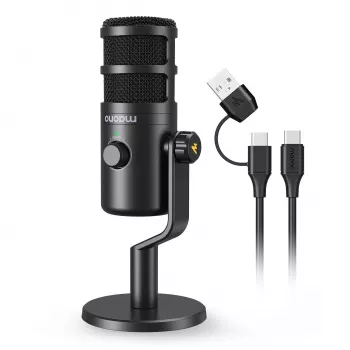
For a practical walkthrough on choosing and setting up a dynamic USB-C microphone for streaming, gaming, and recording, see the main guide here: dynamic USB-C mic setup guide.
For Are Dynamic Microphones Better? Pros, Cons, Best Uses, the best answer depends on fit, material, care instructions, and how the product will be used day to day.
Not always. XLR dynamic mics typically use an interface or mixer, but dynamic USB/USB-C models plug directly into a computer or phone and handle conversion internally.



Leave a comment
You must be logged in to post a comment.