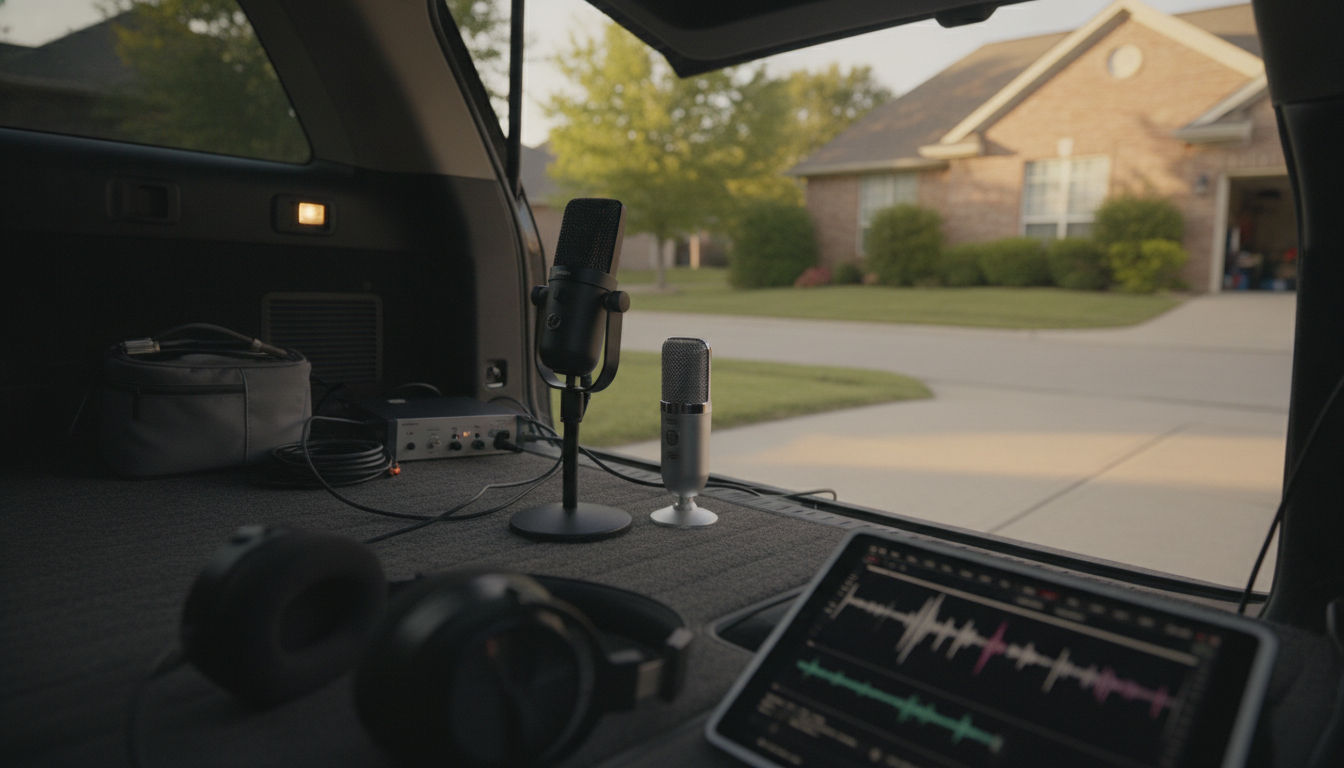
Dynamic microphones are often better for gaming when the goal is clear voice chat and streaming without picking up every background noise in the room. Because dynamic mics are typically less sensitive than condensers, they tend to reject keyboard clicks, controller taps, PC fans, and room echo more effectively. That can mean fewer distractions for teammates and a cleaner-sounding stream, especially in untreated rooms.
They’re also a solid fit if you game in a shared space or can’t control noise from HVAC, roommates, or street sounds. A dynamic mic placed close to your mouth (usually 2–6 inches) delivers a focused, “broadcast-style” sound while keeping off-axis noise lower.
A dynamic mic makes the most sense if you want consistent voice levels, play in a lively environment, or prefer to speak close to the mic without sounding overly roomy. Many gamers also like the natural way dynamics handle plosives and sharp consonants when paired with a simple pop filter or foam windscreen.
If your gaming space is quiet and you want extra detail and “air” in your voice, a condenser mic can sound more open and polished. Also, some dynamic microphones need more gain, which can introduce hiss if your interface or USB mic’s preamp isn’t strong enough. In that case, choosing a dynamic USB-C mic designed for gaming/streaming—or adding a quality interface—helps avoid weak volume or noisy amplification.
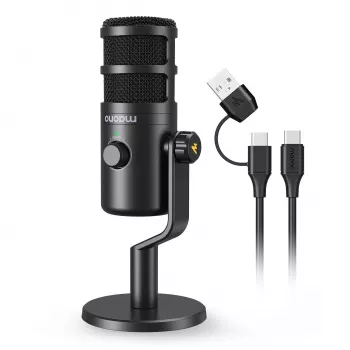
For a practical walkthrough on choosing and setting up a dynamic USB-C mic for streaming, gaming, and recording, see this dynamic USB-C mic setup guide.
For Dynamic vs Condenser Mics for Gaming: Which Wins?, the best answer depends on fit, material, care instructions, and how the product will be used day to day.
Not always. A dynamic USB mic works without an interface, while an XLR dynamic mic typically needs an interface or mixer to provide enough clean gain and proper monitoring.


Leave a comment
You must be logged in to post a comment.