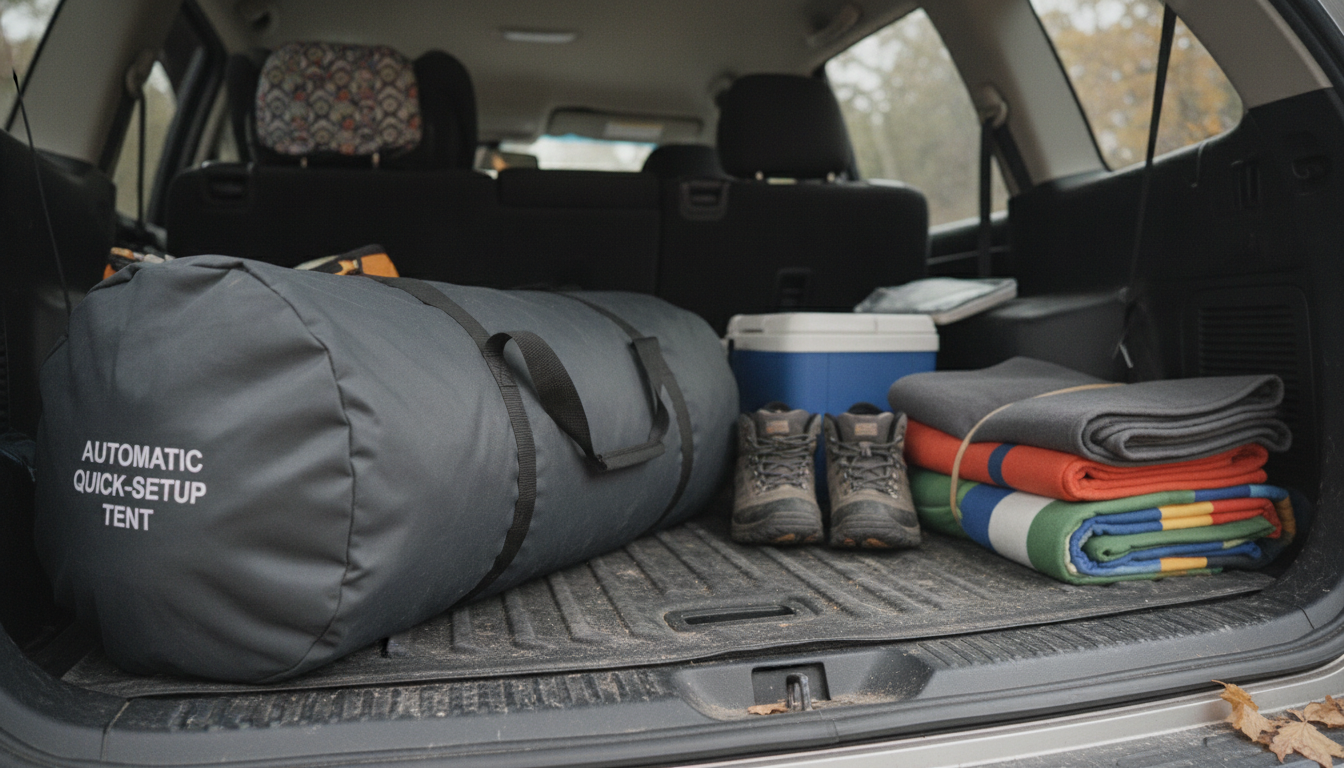
A fully automatic tent is a shelter designed to set itself up with minimal effort, usually by pulling a strap, pressing a release, or unfolding a pre-attached frame. Instead of feeding poles through sleeves or clipping everything together piece by piece, the tent’s support structure is integrated so the canopy pops into shape quickly. Many people use “fully automatic” to describe pop-up and quick-open designs that can go from bag to standing tent in well under a couple of minutes.
Most fully automatic tents rely on one of two mechanisms:
Once opened, you typically stake down the corners and add guylines for stability. The “automatic” part is the frame deployment—not the entire campsite setup.
Fully automatic doesn’t always mean zero work. You may still need to:
To understand how features like double layers and ventilation affect comfort—especially in a compact 3–4 person setup—see the detailed guide here: https://elevatdlife.com/guide-3-4-person-pop-up-tent-double-layer-ventilation-guide/.
The biggest advantage is speed and simplicity. They’re popular for casual camping, festivals, beach trips, and anyone who wants a predictable setup after dark or in bad weather. The trade-offs can include a bulkier packed shape, higher weight than minimalist pole tents, and a folding method that takes a bit of practice.
They can be, but performance depends on the frame strength, stake points, and whether the tent uses a well-fitted rainfly or double-layer outer. For rough weather, prioritize solid staking, guylines, and a design with proven ventilation and water protection.



Leave a comment
You must be logged in to post a comment.