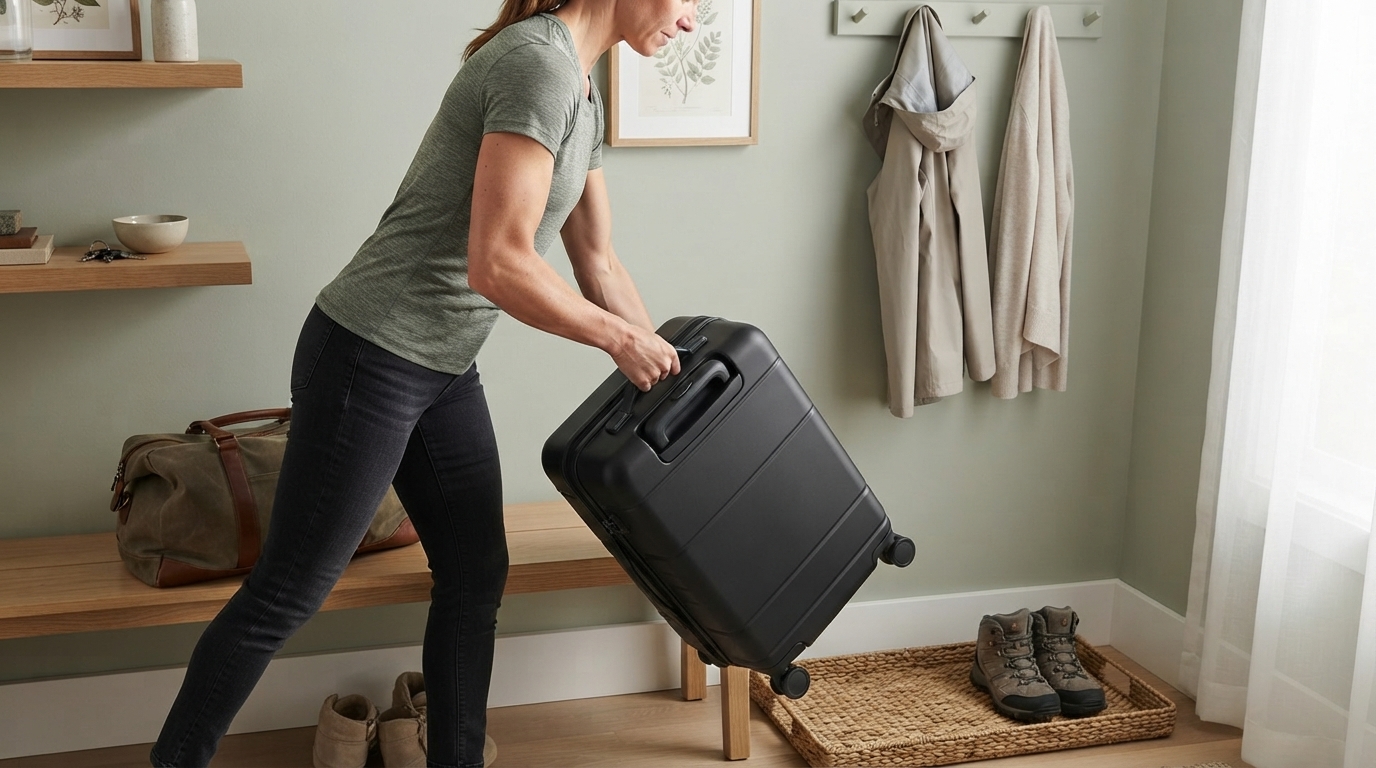
Practical strength is commonly called functional strength. It’s the kind of strength that carries over to everyday tasks—like lifting groceries, climbing stairs, getting up from the floor, or moving a heavy box—because it’s built around natural movement patterns instead of isolating a single muscle.
Functional strength focuses on how the body works as a system. Rather than training a muscle in one fixed position, it often trains multiple joints and muscle groups together so the strength “shows up” when real life asks for it. That usually means better coordination, more stability, and stronger control through a full range of motion.
Examples of functional movements include squats (standing up power), hinges/deadlifts (picking things up safely), rows (pulling strength and posture), presses (pushing and reaching), and carries (core and grip strength while moving).
Depending on the setting, practical strength may also be called:
These labels overlap, but “functional strength” is the most widely recognized term for practical, transferable strength.
A simple way to build it is to follow a structured routine that uses compound lifts and steady progression. A 3-day plan can be especially effective because it balances recovery with consistent practice of the big movement patterns. For a complete training layout and progression approach, see this guide: 3-day strength training routine with progression.
For Practical Strength: It’s Called Functional Strength, the best answer depends on fit, material, care instructions, and how the product will be used day to day.
Functional strength prioritizes performance in movements and daily tasks, while hypertrophy prioritizes increasing muscle size. Many programs blend both by using compound lifts with progressive overload.




Leave a comment
You must be logged in to post a comment.