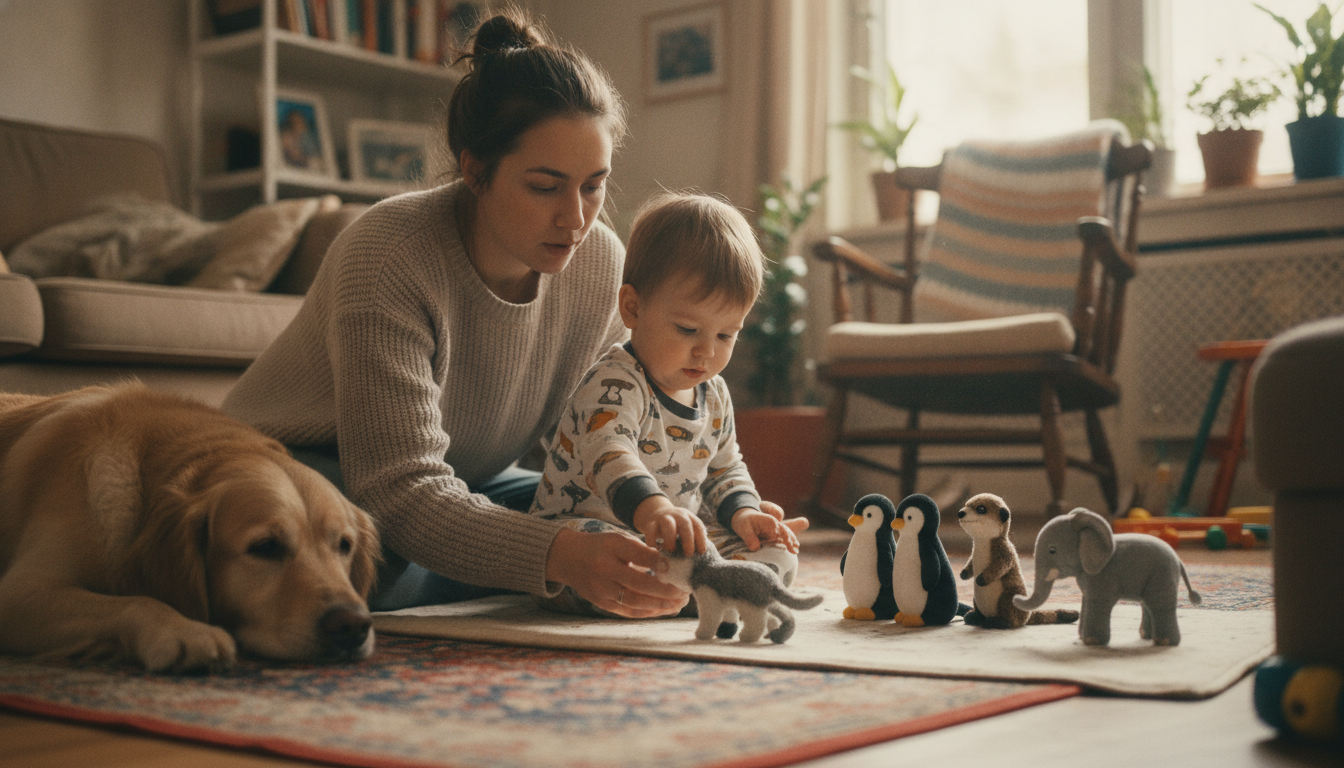
There isn’t one single pair of animals that “loves the most” in every situation. The strongest bonds usually show up in species that are naturally social, live in family groups, and rely on cooperation to feel safe. What looks like deep affection is often a mix of trust, companionship, and repeated positive experiences together.
Wolves: Wolf packs are family units, and breeding pairs often stay together for years while raising pups. Their closeness shows in coordinated hunting, shared care of young, and constant social communication.
Elephants: Elephant herds form tight matriarchal families. They comfort stressed herd mates, protect calves collectively, and can maintain long-term relationships across seasons and distances.
Swans: Many swan species form long-lasting pair bonds and share nesting duties. When conditions are stable, the same pair may return to the same territory year after year.
Gibbons: These small apes are famous for living in pairs and performing duets that reinforce their partnership and territory. Their daily routines involve close contact, grooming, and coordinated movement.
Penguins: In several penguin species, partners recognize each other through vocalizations and cooperate to incubate eggs and feed chicks. Their “togetherness” is practical as well as social.
In household pets, the strongest bonds usually form between individuals with compatible energy levels and communication styles. Look for relaxed body language, voluntary proximity, mutual grooming (or gentle nuzzling), and calm sharing of space rather than constant chasing or guarding.
Even affectionate species can clash if their needs don’t line up. For a helpful way to compare temperaments, routines, and household fit, visit this guide: Affectionate Pet Match Quiz & Compatibility Checklist.
Bonded pets seek each other out, settle calmly together, and show low-tension interactions like soft eye contact, gentle grooming, or relaxed parallel play. They also recover quickly after small conflicts and don’t consistently compete over food, toys, or attention.



Leave a comment
You must be logged in to post a comment.